Bringing home a cat is exciting, but the shopping list can get overwhelming fast. I adopted my first cat as an adult with basically no research done beforehand, and I bought way more than I needed in that first panicked Target run. A cat does not need every gadget in the pet aisle. What matters most is a safe setup, reliable daily care, and a home that lets the cat scratch, hide, climb, play, and rest.
Buy the essentials before adoption day
Start with a sturdy carrier, food and water bowls, litter box, unscented litter, scoop, scratching post, nail clippers, and a few simple toys. If possible, ask the shelter or previous owner what food the cat has been eating, then transition gradually to avoid stomach upset. Sudden diet changes can cause digestive problems, so mix old and new food over seven to ten days.
A first-time cat owner should also plan a veterinary visit early. The AVMA preventive pet healthcare guide explains why wellness exams, vaccinations, parasite prevention, and routine checkups matter for long-term health. Your veterinarian can also advise on spaying or neutering, microchipping, dental care, and any breed-specific concerns.
Do not forget basics like a litter mat to catch tracked litter, a trash can with a lid for waste disposal, and a brush or grooming tool suited to your cat’s coat length. Having these items on adoption day means your first hours at home are calm rather than spent on emergency shopping trips.
Set up zones instead of one crowded corner
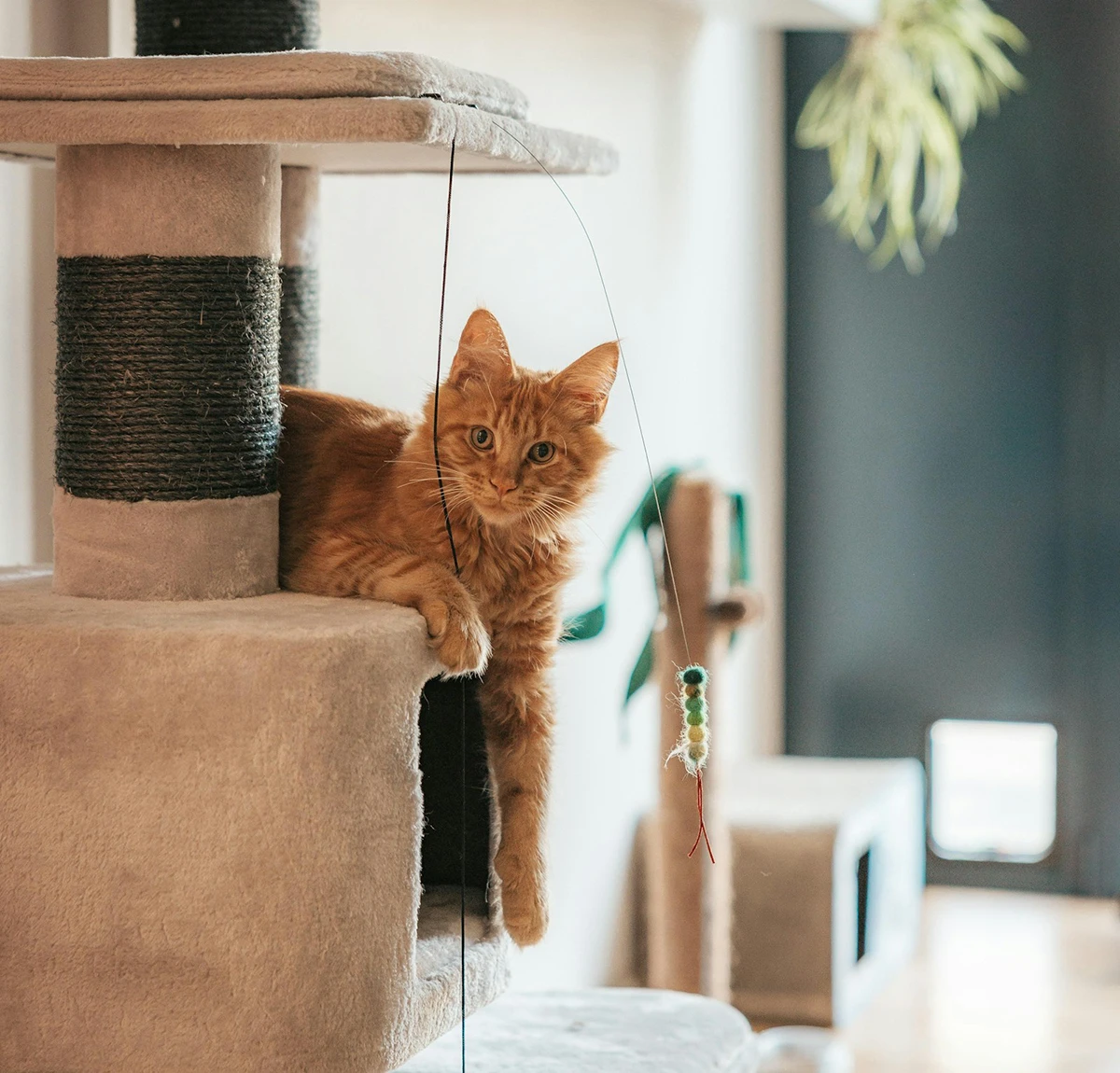
Cats prefer choices. Place the litter box in a quiet, accessible spot away from food. Put a scratching post near a favorite sleeping or watching area. Create at least one hiding place, such as a covered bed, cardboard box, or open closet shelf. Hiding is normal cat behavior, not a sign of a problem, especially during the first days in a new environment.
Window perches and vertical spaces are often more useful than expensive novelty beds. A cat that can climb and observe the room from above tends to feel safer, especially during the first few weeks in a new home. A simple shelf or cat tree near a window can provide both exercise and entertainment for minimal cost. When I set this up for my own cat, I put the scratching post right next to the litter box out of pure convenience — within a week I’d learned that was a mistake, since she wanted absolutely nothing to do with scratching anywhere near where she went to the bathroom.
If you have multiple people in the household, especially young children, talk about how to approach the cat calmly, how to read body language signals like a tucked tail or flattened ears, and when to give the cat space. A consistent approach from everyone in the home helps the cat feel secure faster.
Skip products that solve problems you do not have
Automatic feeders, water fountains, GPS collars, heated beds, and self-cleaning litter boxes can be useful for some households, but they are not required on day one. Start simple and upgrade only when you understand your cat’s behavior. Spending money on features your cat ignores is a common first-year mistake.
The biggest early error is buying for your taste instead of the cat’s needs. If your cat ignores a fancy toy but loves a paper bag, that is useful data. Build your setup around what keeps the cat healthy, active, and relaxed. Revisit the shopping list after a few months when you understand your specific cat better. I’ve found that the toy my cat actually plays with most is a cheap plastic ring pulled off a milk jug — the twenty-dollar interactive puzzle feeder I was so excited about sits untouched in a drawer.
Introducing the cat to the home safely
When you first bring a cat home, start with one room rather than giving access to the whole house immediately. Set up food, water, a litter box, and a hiding spot in that room. Allow the cat to explore at their own pace before opening more doors. This is especially important for shy or rescue cats who may be easily overwhelmed by large new spaces.
Spend calm, quiet time in the room without forcing interaction. Let the cat approach on their own terms. Once the cat seems comfortable in the first room, gradually introduce more of the home. This patient process reduces fear and helps build trust much faster than forcing exploration.
Planning for ongoing care costs
Before adopting, consider the long-term costs of cat ownership: annual veterinary visits, vaccinations, parasite prevention, dental care, litter, food, toys, and emergency medical costs. Pet insurance can help manage unexpected expenses, and it is worth researching policies before you need one.
The best cat setup is not the most expensive one. It is the one your cat consistently uses, paired with daily attention, clean living conditions, and regular preventive care.
Understanding your cat’s adjustment timeline
First-time cat owners often worry when a new cat hides for the first several days or refuses to eat enthusiastically. This behavior is normal, particularly for adult cats adopted from shelters who may have experienced multiple transitions. A healthy cat in a new environment will typically become more curious and engaged within three to seven days as they begin to feel safer and read the new space as predictable.
The adjustment period for kittens is often shorter than for adult cats, but kittens have different care needs that require more active supervision, particularly regarding small spaces, electrical cords, toxic plants, and access to outdoor areas. Kitten-proofing a home is a meaningful task, not an optional one.
Building a relationship with your cat over time
Trust with cats is built through consistent, low-pressure interactions rather than frequent forced contact. Sitting quietly in the same room without demanding attention is often more effective at building comfort than persistent attempts to pet or pick up a shy cat. Let the cat set the pace for physical contact, particularly during the first weeks.
Interactive play is one of the best relationship-building activities for cats of all ages. Daily play sessions that mimic hunting, with a wand toy that the cat can stalk, pounce, and capture, provide exercise, mental stimulation, and a shared positive experience with the owner. These sessions do not need to be long; ten to fifteen focused minutes once or twice a day is often sufficient for most cats.
Cats communicate through subtle body language cues that take time to learn. A slow blink directed at you is typically a trust signal. A gently curling tail tip often indicates engagement and curiosity. Flattened ears and a twitching tail indicate stress or irritation. Learning to read these signals makes you a more responsive owner and builds a more comfortable relationship over time.
The long-term reward of a well-prepared start
The first few months with a new cat set the tone for years of companionship. Owners who prepare thoughtfully, observe carefully, and respond to their cat’s signals rather than imposing their own expectations tend to develop richer, more trusting relationships with their cats over time. A cat that feels safe and understood becomes a genuinely rewarding companion rather than an aloof, unpredictable resident in the same space.
Keep the bar realistic. A cat that greets you at the door, seeks occasional attention, eats well, uses the litter box consistently, and appears relaxed and comfortable in your home is a thriving cat. You do not need elaborate tricks, constant cuddling, or perfect compliance to have a genuinely good relationship with a cat. Steady, consistent, respectful care is the actual foundation of successful cat ownership.
Written by Kevin Alvarez, BloggedTopics Home & Family Editor. Last reviewed and updated August 16, 2026.
