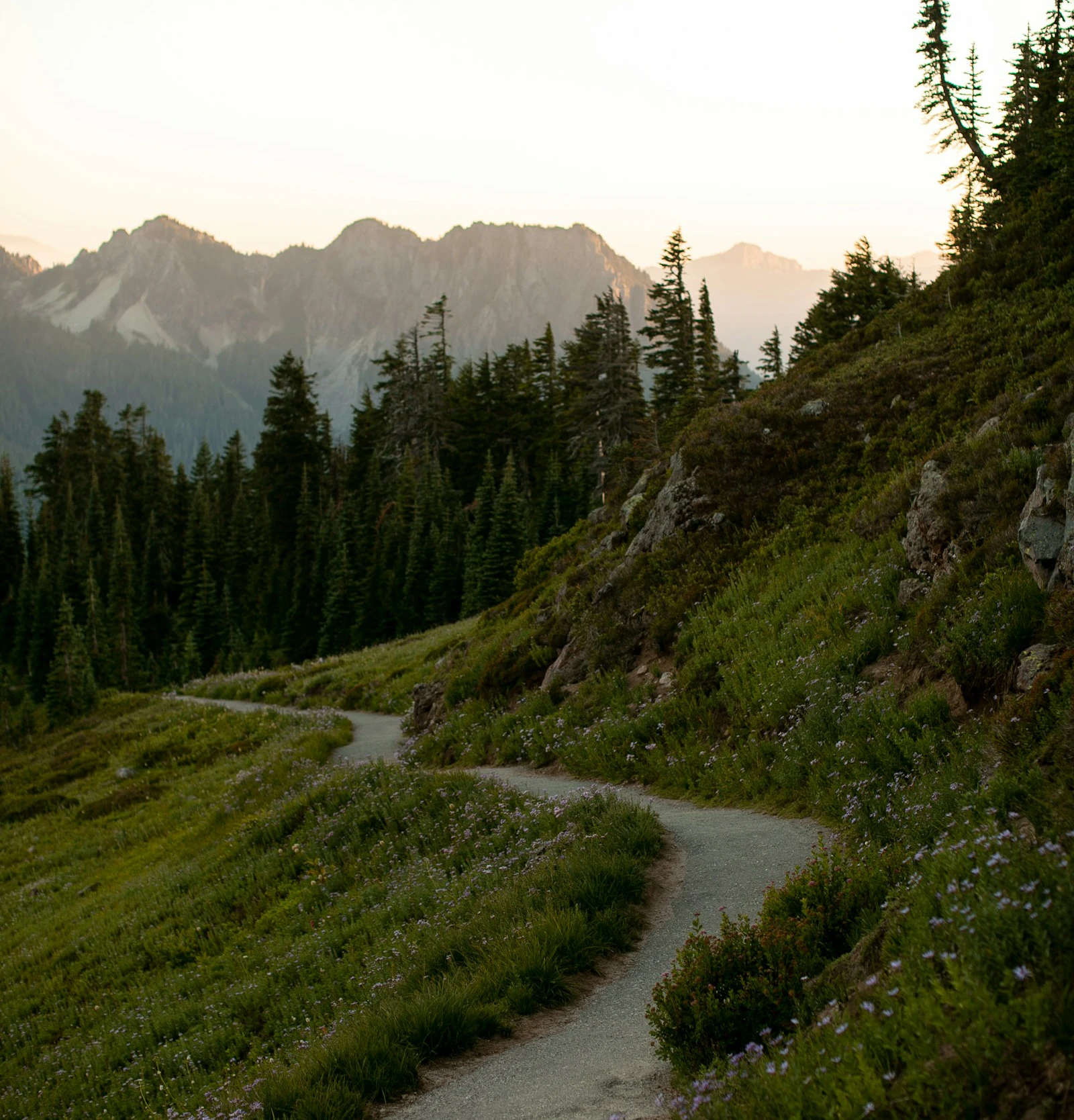
A national park trip can be simple, affordable, and unforgettable, but it is rarely a good idea to improvise everything. I learned this the hard way on my first solo trip when I showed up at a trailhead at 10am expecting an easy parking spot and instead circled the lot for forty-five minutes before giving up entirely. Popular parks may require timed entry, lodging can fill early, and weather can change the best plan in a few hours. A little preparation makes a big difference.
Choose the park around your travel style
Start with what you want to do, not just which park looks famous online. Some parks are best for scenic drives, some for long hikes, some for wildlife viewing, and some for history. The National Park Service trip planning hub lets visitors search by location, activity, and topic.
Be honest about your group’s experience and physical condition. A family with small children, a first-time hiker, and a photographer chasing sunrise all need different itineraries. The right park is the one you can enjoy safely with the time, fitness, and budget you actually have. Do not choose a park based only on social media photos without researching what a realistic visit actually involves.
Consider less-visited parks alongside famous ones. Popular parks like Yellowstone, Yosemite, and the Grand Canyon can be crowded during peak season. Many lesser-known parks offer spectacular scenery with fewer crowds, shorter waits, and easier access to camping and permits. When I finally tried a smaller park instead of chasing the famous names, I ended up with an entire overlook to myself for nearly twenty minutes on a Saturday in July — something I’ve never once experienced at one of the “big five” parks.
Check reservations, passes, and seasonal limits
Some parks require reservations for timed entry, campgrounds, shuttles, or specific hikes. Check the individual park website before booking flights or hotels. Also review entrance fees and pass options. The America the Beautiful pass covers entrance fees at most national parks and federal lands for one year and can be a good value if you plan to visit more than two or three parks.
Season matters more than many visitors realize. A road that is beautiful in July might be closed by snow in May. A desert trail that feels easy at sunrise can become dangerous in afternoon heat. Look for official alerts, road status, and weather guidance on the park website before each day of the trip. Do not rely on last year’s information or what someone posted on social media months ago.
Build a flexible itinerary
A good beginner itinerary includes one must-do activity per day, one backup activity, and enough downtime to enjoy the place. Pack water, layers, snacks, offline maps, sun protection, and a basic first-aid kit. Many national parks have limited cell service, so download maps and key information before arrival.
Arrive at trailheads early in the morning to avoid crowds and afternoon heat, especially in summer. Sunrise visits are often the most rewarding and least crowded window of the day in parks that attract large midday attendance. I’ve found that arriving even thirty minutes before official sunrise, rather than right at it, makes a real difference — the light right before is often better for photos anyway, and the trail is still nearly empty.
If a trailhead is full or weather changes, do not treat that as failure. Visitor centers, overlooks, ranger programs, short trails, and scenic drives can still make the day worthwhile. Ranger-led programs are often free with park admission and give you context that changes how you see the landscape.
Packing smart for the trail
The Ten Essentials concept originated in outdoor education and covers navigation, sun protection, insulation, illumination, first aid, fire starting, repair tools and a knife, nutrition, hydration, and emergency shelter. For day hikes, this translates to a paper map or downloaded digital map, sunscreen, a warm layer, a headlamp, a basic first-aid kit, waterproof matches or a lighter, a multi-tool, extra snacks, more water than you think you need, and a light emergency blanket.
Wear comfortable, broken-in footwear on trail days. Blisters from new boots can ruin a multi-day trip. Trekking poles are helpful for uneven terrain and descents, especially with a loaded day pack.
Leave no trace
Stay on marked trails, keep distance from wildlife, pack out all trash, and follow local rules about fires, drones, pets, and camping. These rules protect visitors, animals, fragile soil, and the staff who maintain the park year-round. Parks are shared resources that depend on every visitor treating them with care.
Plan early, stay flexible, and let the park’s official guidance shape the final itinerary. A well-prepared visit rewards patience with the kind of natural beauty that is hard to find anywhere else.
Managing expectations as a first-time park visitor
First-time national park visitors often expect trails to feel isolated and pristine, and some do. But popular parks at peak times can be genuinely crowded at iconic overlooks and trailheads, which can affect both the experience and safety if parking areas and narrow trails become overloaded. Flexibility in your itinerary, including willingness to change plans when a location is more congested than anticipated, turns this challenge into a manageable part of the trip rather than a disappointment.
Managing physical expectations is equally important. Many beautiful national park trails involve more elevation gain, technical terrain, or distance than social media posts suggest. Read official trail descriptions carefully, including distance, elevation change, and difficulty rating. Consider your group’s fitness level honestly against the trail specifications rather than against how the trail appears in photographs.
Budgeting realistically for a national park trip
National park entrance fees, camping fees, permit costs for specific hikes, gear rentals, and lodging inside or near popular parks can make a park trip more expensive than it appears on the surface. Budget these costs before booking, and consider whether an America the Beautiful annual pass makes financial sense if you plan to visit more than two federally managed sites in a twelve-month period.
Lodging inside popular parks, if available at all, often books out months in advance. Check the park’s official lodging and camping reservation system as soon as you have decided on dates. Nearby towns and gateway communities outside the park boundary typically offer more lodging options at a range of price points, with the tradeoff of requiring a morning drive into the park.
Leaving the park better than you found it
One of the simplest and most impactful things any visitor can do is leave the park in better condition than they found it. Pick up any trash you encounter on the trail, even if it is not yours. Stick to established paths. Speak quietly in areas where wildlife is present. Yield appropriately on trails and share the space without conflict. These behaviors cost nothing and collectively make the park experience better for every visitor who follows you.
National parks exist because people made conscious decisions to protect these landscapes rather than develop them. Each visitor’s behavior either honors or erodes that intention. A well-prepared, respectful visit is not just better for you individually. It contributes to the long-term health of places that future generations deserve to experience in their full, undisturbed condition.
Written by Sarah Whitfield, BloggedTopics Travel & Lifestyle Editor. Last reviewed and updated August 3, 2026.
