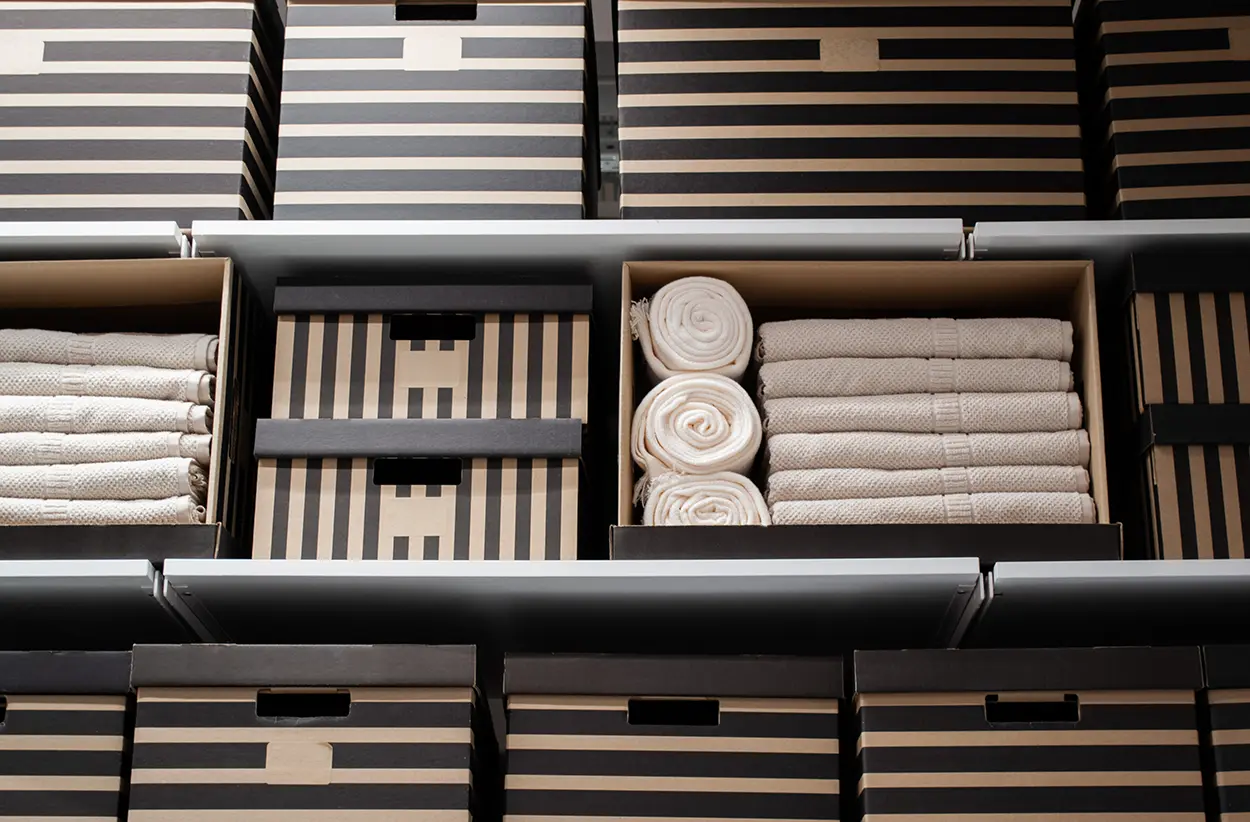
Small apartments reward thoughtful storage far more than extra purchasing. I’ve moved through four apartments under 700 square feet over the past decade, and the lesson that took me the longest to learn is this: before buying bins, shelves, and organizers, look carefully at what you own, what you genuinely use on a regular basis, and what is taking up valuable space without serving a clear purpose. The real goal is not to hide clutter more cleverly. The goal is to make daily life easier and more functional within the space you actually have.
Start with a declutter before adding storage
Adding storage to a space full of things you do not need or use is an expensive way to solve the wrong problem. Before buying a single organizer, go through each area and remove items that are broken, outdated, duplicated, or simply never used. Donate, sell, or discard what you can. The freed space and simplified ownership often reduces the storage problem significantly before any products are purchased.
This step is unglamorous but genuinely the most effective thing you can do. Organized storage for items you do not need is still waste, just more neatly arranged. When I finally did a real purge in my current place, I filled six boxes for donation before I bought a single bin — and ended up needing almost no new storage products for the kitchen at all.
Use vertical and underutilized spaces
Small apartments typically have more usable vertical space than residents realize. Look above doorframes, above kitchen cabinets, under beds, behind doors, inside cabinet doors, and in the space between the top of closet shelves and the ceiling. Tall freestanding shelves, over-door hooks and organizers, wall-mounted racks, magnetic strips in kitchens, and rolling under-bed containers can create meaningful storage capacity without structural changes.
Renters should choose removable or low-damage solutions when permanent installation is not permitted or practical. Tension poles, removable adhesive hooks rated for appropriate weight, and furniture that can be moved without modification give you flexibility when you eventually move. Always check adhesive product weight ratings carefully since exceeding them can result in fallen items and wall damage — I learned this after a supposedly 5-pound-rated hook let go of a cast iron pan in the middle of the night, which is not a sound you forget.
The U.S. Fire Administration’s home fire safety guidance is worth noting in the context of storage: never block exits, stairways, electrical panels, or heat sources with stored items, and keep smoke detector access unobstructed even in tight quarters. Storage convenience should never compromise fire safety.
Group items by activity and use frequency
Store items where you actually use them rather than where they fit most conveniently. Keep cleaning supplies near cleaning zones, cooking tools within arm’s reach of prep and cooking surfaces, office supplies near the workspace, and pet gear near the door. Activity-based placement reduces the number of times you move the same objects around the apartment searching for what you need. In my experience, this single change did more for daily sanity than any organizer purchase — moving my dog’s leash and poop bags to a hook by the door instead of a hall closet cut out a genuinely annoying daily scramble.
Sort by use frequency too. Items used daily should be the most accessible, at arm height or in the most convenient cabinet. Seasonal items, backup supplies, and rarely used specialty items can live in harder-to-reach locations like high shelves, under the bed, or in the back of closets without inconveniencing daily routines.
Choose furniture that earns its footprint
In a small apartment, every piece of furniture consumes scarce floor space. Prioritize pieces that serve multiple functions. Storage ottomans double as seating and closed storage. Beds with built-in drawers or liftable platforms provide significant under-bed storage capacity without adding any furniture footprint. Benches at the entryway provide seating and storage. Nesting tables offer surface space when needed and tuck away when not in use.
Avoid buying furniture that looks attractive in a showroom but solves no functional problem in your actual space. A decorative console table in a narrow hallway may look appealing but may simply collect mail and reduce the effective walkway width without providing useful storage.
Managing kitchen and bathroom storage specifically
Kitchens and bathrooms are typically the most storage-constrained rooms in small apartments. In kitchens, install a magnetic knife strip instead of a knife block, use the insides of cabinet doors for measuring cups or cutting boards, and keep countertops clear of items used less than daily. Drawer dividers prevent utensil chaos without adding any footprint.
In bathrooms, over-toilet shelving units, shower caddies, medicine cabinet organizers, and under-sink bins all add useful vertical storage without renovation. Reduce bathroom clutter by regularly discarding expired products and duplicates rather than storing them indefinitely.
Small apartment storage is less about discovering secret tricks and more about making every square foot of existing space work harder through intentional placement, practical furniture, and honest editing of what you own.
Closet organization in small apartments
Closets in small apartments are often the most underutilized and least organized storage spaces in the home. Most standard closets are designed with a single hanging rod and one shelf, leaving significant vertical space above the shelf and floor space below short hanging items unused. A closet doubling system, which adds a second lower hanging rod below a standard height, immediately doubles usable hanging space for shorter items like shirts, jackets, and folded pants hung over a hanger.
Shoe storage on the closet floor is an effective space saver if organized in a rack or over-door organizer rather than left in a pile. Each pair of shoes stored properly takes far less floor space than the same shoes stacked informally. Seasonal shoes not in current use can be stored in labeled boxes on high shelves to free up active floor space for daily footwear.
Creating storage in spaces that seem unusable
The space between the top of a door frame and the ceiling is almost universally ignored but can accommodate floating shelves for books, seasonal items, or decorative storage boxes. The back of bathroom and linen closet doors can support over-door organizers for cleaning supplies, small linens, or personal care products without consuming any floor space. Cabinet spaces beneath kitchen sinks, often disorganized due to plumbing intrusions, can be organized with adjustable shelving or specialized products designed to work around pipes.
The key to making these unconventional storage areas work is to assign them specific categories that match their accessibility level. High or awkward spaces should hold items used rarely: seasonal decorations, spare linens, backup supplies, and archived documents. Easy-access spaces should hold daily-use items. Matching access frequency to storage difficulty is the underlying logic that makes any storage system genuinely functional over time.
Maintenance and organization as ongoing habits
The most important aspect of small apartment storage is not the initial organization project but what happens afterward. Storage systems that require constant conscious effort to maintain typically degrade within weeks as the easy default of putting things wherever they fit reasserts itself. Systems that align with natural behavior patterns, where the easiest action is also the organized one, persist indefinitely without requiring discipline.
After completing an organization project, test the system by living with it for two weeks before making permanent commitments like purchasing additional organizational products. If you consistently cannot maintain a particular system, the system may be wrong for your habits rather than your habits being wrong for the system. Good organization should reduce effort, not require it. If organizing a space feels like constant maintenance work, consider whether a simpler approach might produce more durable results in that particular area.
Written by Kevin Alvarez, BloggedTopics Home & Family Editor. Last reviewed and updated August 22, 2026.
