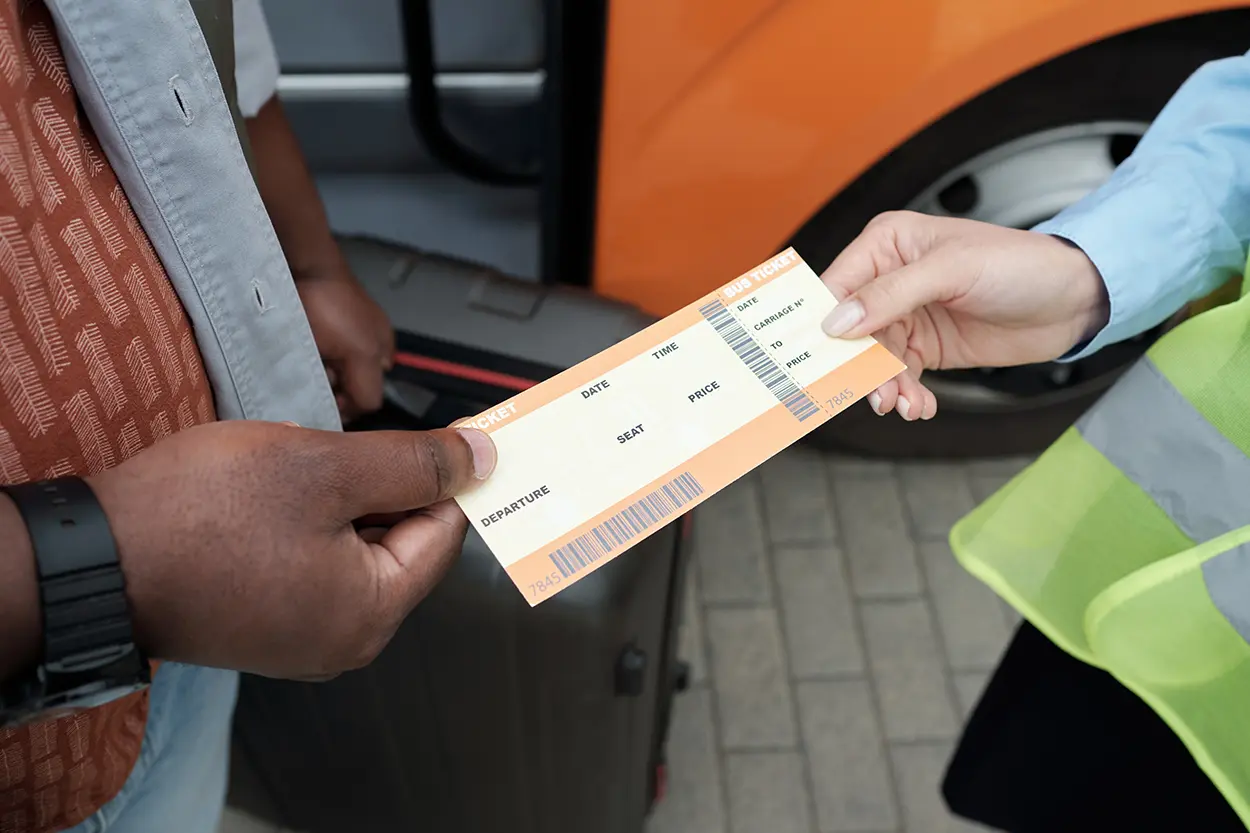
I hate tricks and gimmicks. And, we know that hidden ticket fees can turn a $60 concert seat into a $95 checkout total, and the surprise usually lands on the very last screen — right before you enter your payment details. Service charges, delivery fees, processing fees, and “convenience” fees are often left out of the price you see when you first click on an event, then stacked on one by one as you move through checkout. Learning how to spot these fees before you commit, and knowing what new rules require sellers to disclose, can save you real money and a lot of frustration the next time you buy tickets to a concert, game, or show. So, I’ve spent time building this guide to help you avoid unexpected fees and mistakes!
Why Ticket Fees Are So Easy to Miss
The ticketing industry has long relied on a pricing technique regulators call “drip pricing,” where a low headline price draws you in and additional mandatory charges are revealed gradually, step by step, as you move closer to purchase. By the time you see the real total, you have already invested time comparing seats, picking a date, and mentally committing to the purchase, which makes many buyers less likely to abandon the transaction even after the price climbs.
Regulators have taken notice. The Federal Trade Commission finalized its Junk Fees Rule in December 2024, specifically targeting this practice in live-event ticketing and short-term lodging. The rule requires that any business advertising a ticket price must clearly and conspicuously disclose the true total price, inclusive of all mandatory fees, whenever it offers, displays, or advertises a price — and the total price must be the most prominent figure shown, not buried beneath a smaller headline number (Federal Trade Commission: Rule Banning Junk Ticket and Hotel Fees). Sellers can still itemize individual fees for transparency, but those line items cannot overshadow the all-in total.
It’s worth noting what the rule does not do: it does not cap the amount of any fee, and it does not ban service charges outright. It simply requires that the number you see up front be the number you actually pay, aside from taxes calculated at the point of sale.
The Fee Types You’re Most Likely to Encounter
Service and Convenience Fees
These are the most common add-ons, typically charged as a percentage of the ticket price or a flat per-ticket amount. They are usually described as covering the platform’s cost of processing the sale, though the exact justification varies by seller.
Order or Processing Fees
Unlike per-ticket service fees, an order fee is often charged once per transaction regardless of how many tickets you buy. If you’re purchasing tickets for a group, buying them together in one order rather than splitting the purchase can sometimes reduce the total processing fees you pay.
Delivery Fees
Even fully digital, mobile-transfer tickets sometimes carry a “delivery” charge. If you’re offered a choice between mobile delivery and a physical mailed ticket, compare the fees for each option — mobile delivery is often, but not always, the cheaper choice.
Facility and Venue Fees
Some venues add their own per-ticket charge on top of whatever the ticketing platform charges, which is why the same seating tier can cost different amounts depending on the venue’s own fee schedule, separate from the ticket seller’s cut.
How to Check the Real Price Before You Buy
1. Look for the All-In Total Early in the Process
Under the FTC’s rule, sellers covered by the regulation must show your true total price prominently, not just at the final screen. If a site only reveals fees after you’ve selected a payment method, that is exactly the kind of drip pricing the rule is meant to eliminate — and it’s worth flagging or reporting if you encounter it after the rule’s effective date.
2. Compare the Per-Ticket Total, Not the Listed Price
When comparing seats or comparing resale listings against primary tickets, always compare the final total per ticket, not the advertised starting price. A “cheaper” listing with high fees can end up costing more than a pricier listing with lower fees.
3. Check Whether Buying More Tickets Changes the Per-Ticket Fee
Order-based fees mean the per-ticket cost of fees often drops as you buy more tickets in a single transaction. If you’re coordinating a group purchase, one person buying all the tickets together may reduce the group’s total fee burden compared to everyone buying separately.
4. Watch for Fee Differences Between Delivery Methods
Before finalizing your order, check whether switching the delivery method changes the total. This step alone can save several dollars per ticket on some platforms.
5. Be Cautious with Resale and Secondary Markets
Resale marketplaces can carry their own service and fulfillment fees layered on top of whatever the original ticket cost the reseller. Confirm you’re looking at a total, all-in price before comparing a resale listing to a primary-market option.
6. Understand Your Rights if a Ticket Purchase Goes Wrong
Beyond fee transparency, federal law also targets fraud in the ticket resale space. The Better Online Ticket Sales (BOTS) Act makes it illegal to use automated software to bypass a seller’s ticket-purchase limits or security measures, and it is also illegal to knowingly resell tickets obtained that way. The FTC has brought enforcement actions against ticket brokers for BOTS Act violations and continues to monitor the resale market for these tactics (FTC Business Guidance: BOTS Act Compliance). If a reseller’s listing looks suspicious — unusually large ticket quantities, prices far below face value with vague seller information, or pressure to pay outside a secure platform — treat that as a warning sign.
What to Do if You Think a Seller Is Hiding Fees Improperly
If you believe a ticket seller is not disclosing its total price clearly, or is revealing mandatory fees only at the very last step of checkout, you can file a complaint with the FTC through its consumer complaint system, which the agency uses to identify patterns of unfair or deceptive pricing practices across industries (FTC: Report Fraud). Many state attorneys general also maintain consumer protection divisions that separately investigate deceptive pricing complaints, so checking your state attorney general’s consumer protection page is a reasonable second step if the issue involves a local venue or box office rather than a national platform.
A Simple Pre-Checkout Routine
Before you enter payment information for any ticket purchase, run through a short mental checklist: confirm the total price shown includes all mandatory fees, compare that total against at least one other seat option or platform, check whether a different delivery method changes the price, and verify the seller or reseller looks legitimate if you’re on a secondary market. This takes less than a minute once it becomes a habit, and it consistently prevents the most common source of ticket-buying regret — realizing after the fact that fees nearly doubled the advertised price.
The Bottom Line
Ticket fees are not going away, and current rules don’t cap how much a seller can charge — but transparency requirements now mean you have a right to see the real total price clearly before you commit to a purchase. I think treating the all-in total, not the headline price, as the number that matters is the single most effective habit for avoiding sticker shock at checkout, whether you’re buying a single ticket to a local show or a group of seats to a major tour.
