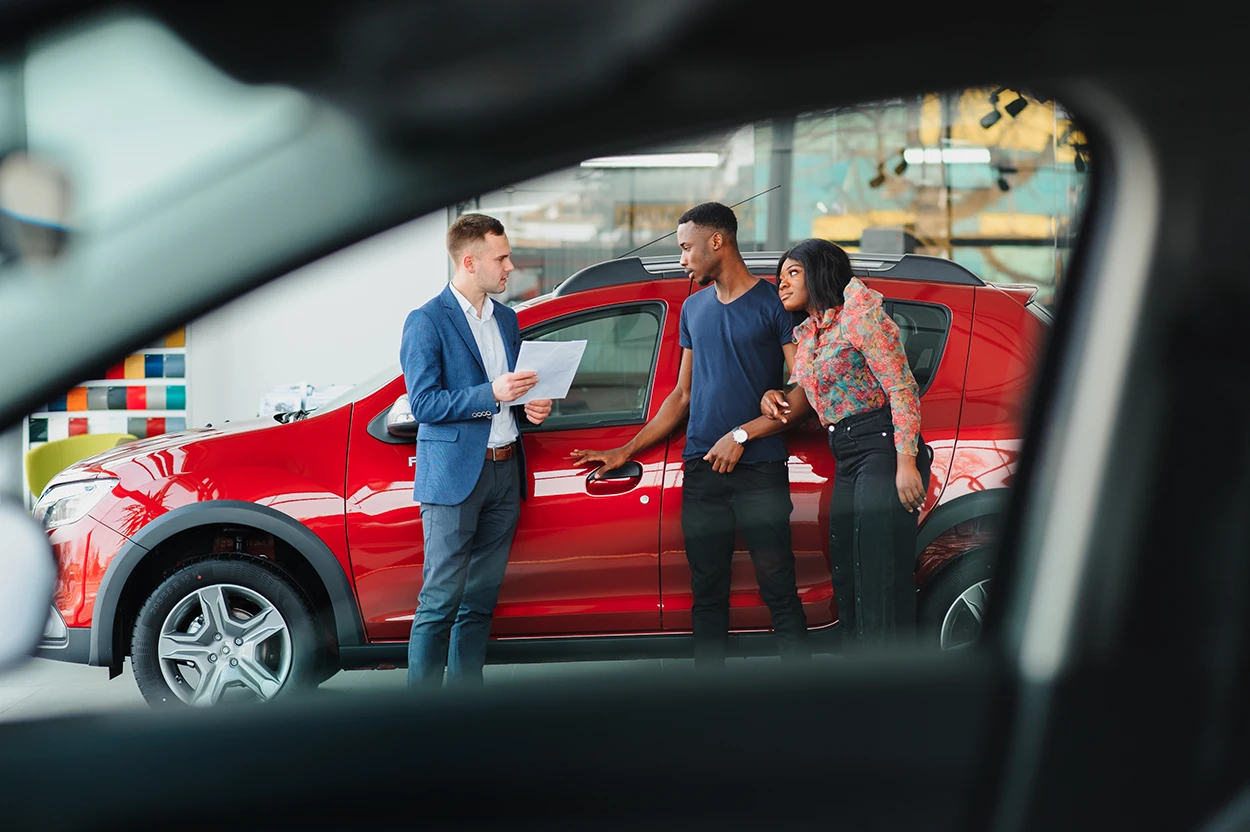
Why a Used Car Buying Checklist Is Your Best Tool Before Signing
Buying a used car is one of the largest financial decisions most people make, and without a thorough used car buying checklist, it is easy to overlook problems that turn a good deal into an expensive mistake. Unlike buying new, used car purchases require you to evaluate both the vehicle’s mechanical condition and its history—two areas where sellers have an incentive to say as little as possible. A systematic approach, combining a pre-purchase inspection with the right documentation checks, dramatically reduces the risk of buying a car with hidden problems. I skipped the professional inspection step once, early on, convinced I could spot everything myself — I ended up with a car that needed a new water pump within three months, and I’ve never skipped that step since.
Before You Visit: Research and Documentation Checks
The best inspection starts before you ever see the car in person. Use this phase to verify the basics and rule out vehicles with serious red flags in their history.
Run a Vehicle History Report
A vehicle history report from a service like Carfax or AutoCheck uses the car’s 17-digit Vehicle Identification Number (VIN) to pull records of accidents, title status, odometer readings, service records, and number of previous owners. Look specifically for:
- Salvage or rebuilt title (indicates the car was declared a total loss by an insurer)
- Flood damage notation
- Odometer rollback discrepancies (reported mileage at different dates should only increase)
- Frequent short-term ownership changes, which can indicate recurring problems
Check for Open Recalls
The National Highway Traffic Safety Administration (NHTSA) maintains a free database where you can enter any VIN and see all open safety recalls. Visit nhtsa.gov/recalls before purchasing any used vehicle. Open recalls must be repaired by a franchised dealer at no cost to you, but if a recall involves a safety-critical component like airbags or brakes, you should confirm the repair has already been completed before driving the car.
Research the Model’s Reliability History
Some models are significantly more reliable than others, and some have known expensive failure modes at specific mileage points. Consumer Reports, owner forums, and manufacturer technical service bulletin (TSB) databases all provide this information. Researching common problems specific to the year and trim you are considering tells you what to look for during the inspection and helps you negotiate if you find those issues.
Exterior Inspection Checklist
Conduct your exterior inspection in daylight, ideally on a flat, open surface. Artificial lighting in driveways or parking structures hides paint imperfections and body work.
- Panel gaps: Stand back and look at the gaps between body panels. Uneven gaps indicate body work or a poorly repaired collision.
- Paint consistency: Look down each side of the car from a low angle. Waviness, orange peel texture differences, or color variations between panels indicate repainting.
- Rust: Check underneath the car, wheel wells, door sills, the bottom edges of doors, and around the trunk opening. Surface rust is common; structural rust on the frame or subframe is a serious problem.
- Glass: Inspect all glass for chips, cracks, or stress fractures. Windshield replacement is expensive and some chips cannot be repaired.
- Tires: Check tread depth with the quarter test (insert a quarter upside down; if you see all of Washington’s head, the tread is worn). Note whether all four tires are the same brand and model—mismatched tires suggest deferred maintenance.
- Lights: Ask the seller to operate all lights while you walk around: headlights (high and low beam), turn signals, brake lights, reverse lights, and fog lights.
Interior Inspection Checklist
- Odor: Musty or mildew smells indicate water intrusion or flood damage. A strong air freshener can mask odors—lift the floor mats and check for moisture or staining underneath.
- Seat condition: Excessive wear on the driver’s seat that does not match the reported mileage is a warning sign of odometer tampering.
- Dashboard warning lights: Start the car and observe the dashboard as it cycles through its self-check. All warning lights should illuminate briefly and then turn off. Any warning light that stays on requires investigation.
- Electronics: Test every electronic feature: windows, mirrors, locks, climate controls, infotainment screen, Bluetooth, USB ports, sunroof, and seat adjustments.
- Trunk: Look for spare tire, jack, and lug wrench. Check trunk carpet for water stains or rust, which indicate a water leak around the tail lights or trunk seal.
Under the Hood Inspection Checklist
You do not need to be a mechanic to perform a useful under-hood inspection. Look for visual clues that something is wrong.
- Oil level and condition: Pull the dipstick, wipe it clean, reinsert it, and check both the level and the color. Black, gritty oil indicates infrequent changes. Milky, frothy oil is a serious sign of a blown head gasket allowing coolant to mix with oil.
- Coolant: Look at the coolant overflow reservoir (do not open the radiator cap on a warm engine). Coolant should be clear green, orange, or pink depending on type. Brown or rusty coolant indicates neglected maintenance.
- Belt and hose condition: Check visible belts for cracking or fraying. Squeeze hoses—they should feel firm and flexible, not hard, spongy, or squishy.
- Battery terminals: Look for corrosion (white or blue-green buildup) around battery terminals, which indicates a neglected battery or charging system issues.
- Leaks: After the car has been sitting, look underneath for any fluid spots—oil, coolant, transmission fluid, or power steering fluid.
The Test Drive Checklist
The test drive should cover a variety of road conditions and last at least 20 to 30 minutes. A quick loop around the block is not sufficient.
- Cold start: Start the engine cold if possible. Excessive smoke, rough idle, or difficulty starting can indicate engine problems masked by a warm engine.
- Brakes: Test braking at moderate speed in a safe area. The car should stop in a straight line without pulling to one side. Listen for squealing or grinding, and feel for pulsation through the brake pedal.
- Steering: The car should track straight without wandering. Vibration through the steering wheel at highway speeds indicates wheel balance or alignment problems.
- Transmission: Automatic transmissions should shift smoothly without slipping, hesitation, or clunking. Manual transmissions should have a smooth clutch engagement without slipping under acceleration.
- Highway speeds: Test the car at highway speeds if possible. Some vibrations and noises only appear at speed.
- Acceleration: The engine should pull smoothly through the entire power range without hesitation or surging.
Pre-Purchase Professional Inspection
For any used car you are seriously considering buying, a pre-purchase inspection (PPI) by an independent mechanic is one of the best $100 to $150 investments you can make. A qualified mechanic can put the car on a lift, inspect the undercarriage for rust and leaks, scan for diagnostic trouble codes, and check components that are impossible to evaluate during a test drive. The Federal Trade Commission’s used car buying guide recommends independent inspections as a standard step, not an optional extra. In my experience, the mechanic doing the PPI catches something worth negotiating over on close to half the cars I’ve had inspected — even cars that looked flawless during my own walkaround.
Negotiating Based on Your Findings
Use your inspection findings as negotiating leverage, not just as reasons to walk away. Worn tires, upcoming brake service, minor cosmetic flaws, and deferred maintenance items all have dollar values that the seller has already priced into their asking price—or has not. Document everything you find and get estimates for needed repairs before making your offer. A vehicle needing $800 in immediate maintenance is only worth $800 less than the same vehicle in ready-to-drive condition.
Conclusion
A used car buying checklist converts what feels like a high-stakes gamble into a systematic evaluation with clear decision points. By checking the vehicle history report, verifying open recalls, completing a methodical exterior, interior, and under-hood inspection, and paying for a pre-purchase mechanical inspection, you dramatically reduce the risk of an expensive mistake. Take your time, bring a checklist, and never let urgency from a seller pressure you into skipping steps. The right car will still be available after due diligence; the wrong car will cost far more than the price you paid for it.
Written by David Park, BloggedTopics Personal Finance Editor. Last reviewed and updated August 21, 2026.
