Why Power Outage Preparedness Should Happen Before the Storm
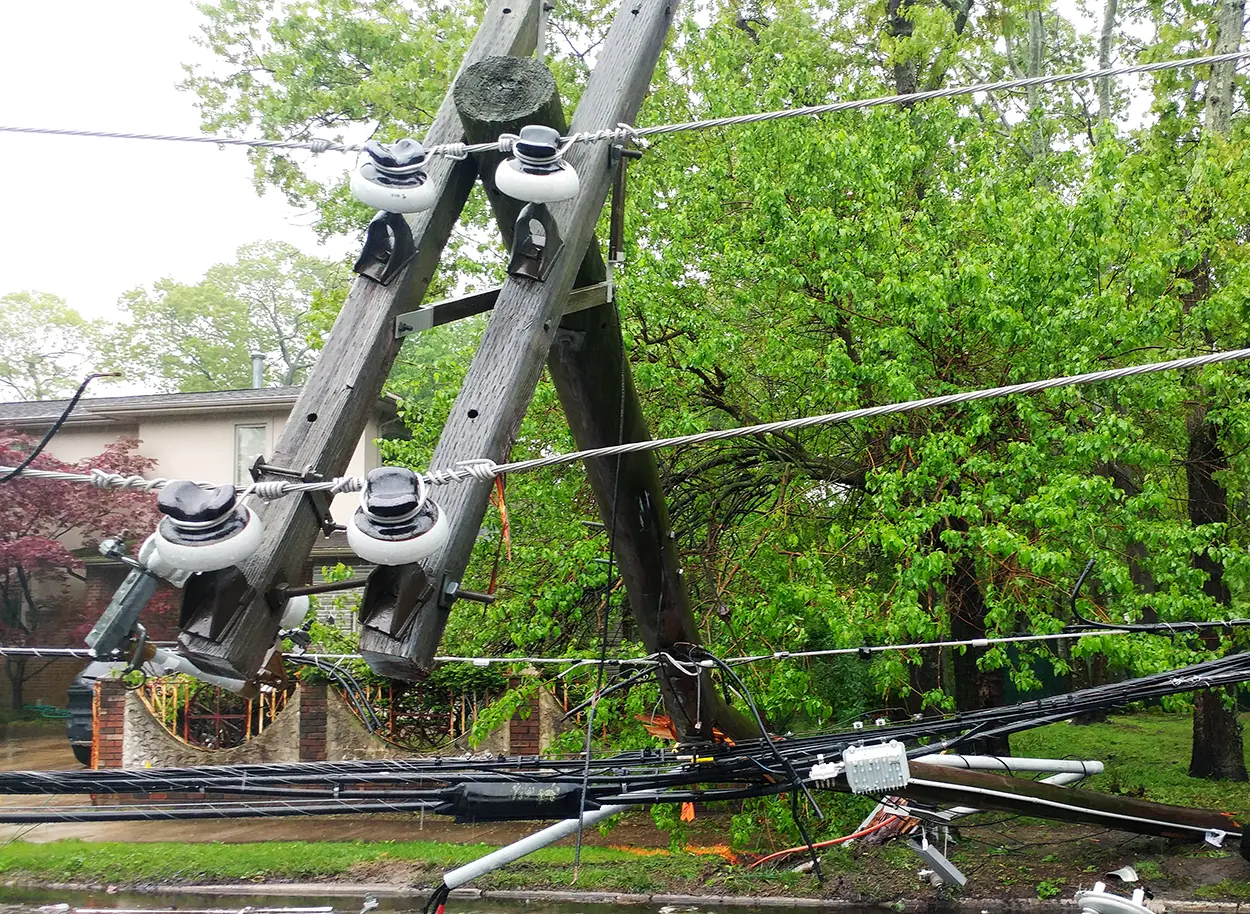
Power outage preparedness is a practical step every household should take before a storm or grid disruption actually happens—not during one. Whether your area is prone to severe weather, wildfires, ice storms, or aging infrastructure failures, the supplies and plans you need are identical, and assembling them takes only a few hours of effort. A well-prepared household weathers a two- to four-day outage with minimal disruption; an unprepared one faces spoiled food, unsafe conditions, and potential emergencies that were entirely preventable. I put off assembling my own kit for years until an ice storm left us without power for five days, and scrambling for flashlights and bottled water by candlelight on night one is not an experience I’d recommend repeating.
How Long Should You Prepare For?
Emergency management experts recommend preparing for a minimum of 72 hours (three days) without utility services. In practice, major outage events following severe weather—ice storms, hurricanes, derecho wind events—regularly leave areas without power for five to ten days or longer. Ready.gov, the official preparedness resource of the Federal Emergency Management Agency (FEMA), recommends households build supplies for at least three days, ideally two weeks for longer-duration emergencies. Use the three-day standard as your minimum baseline and expand from there based on your risk profile and storage space.
Essential Power Outage Supplies Checklist
Water
Water is the highest-priority supply for any emergency. Store at least one gallon per person per day; the CDC and FEMA both recommend this as the minimum for drinking and basic sanitation. For a family of four preparing for three days, that means 12 gallons minimum—a realistic storage target for most households. Store water in food-grade sealed containers away from heat and sunlight, and rotate every six to twelve months. If municipal water service may be affected along with power (common when wells have electric pumps), increase your stored quantity accordingly.
Food
- Shelf-stable foods that require no cooking or refrigeration: canned goods, peanut butter, crackers, dried fruit, nuts, granola bars
- Manual can opener—critical if your stored food includes canned goods
- Foods familiar to your household, including specific dietary needs and foods children will actually eat
- Baby food or formula if applicable
- A small camping stove with fuel canisters (for outdoor use only) if you want hot food options without power
Lighting
- Battery-powered or hand-crank flashlights with extra batteries
- Headlamps (hands-free lighting is far more practical than handheld flashlights)
- Battery-powered lanterns for area lighting in a room
- Extra batteries in the correct sizes for all your devices
- Candles as a secondary option (never leave unattended or near anything flammable)
A mistake I made during that first ice storm was owning plenty of flashlights but almost no spare batteries in the right sizes — I’ve kept a dedicated battery organizer next to the flashlight drawer ever since, checked and topped off every fall.
Communication
- Battery-powered or hand-crank NOAA weather radio for official emergency alerts (cell towers may be overloaded or down)
- Fully charged portable battery bank for phones before the outage hits
- A physical list of important phone numbers—do not rely solely on your phone’s contact list if the battery dies
- Know your local emergency alert system and how to sign up for text alerts from your county emergency management office
Managing Food Safety During an Outage
Food safety is one of the most commonly mishandled aspects of power outages. The rules are clear and important:
- A full refrigerator maintains safe temperature (below 40°F) for approximately four hours with the door kept closed
- A full freezer maintains safe temperature for 48 hours (24 hours if half-full)
- Discard any refrigerated food that has been above 40°F for more than two hours
- Discard meat, poultry, seafood, dairy, cooked leftovers, and casseroles if in doubt—the USDA’s food safety guidance for power outages says “when in doubt, throw it out”
- Keep the refrigerator and freezer doors closed as much as possible to maintain temperature
- Use a refrigerator thermometer to monitor internal temperature during an extended outage
Heating and Cooling Safety
Extreme temperatures are the primary safety threat during extended outages beyond food and water. Never use gas stoves, charcoal grills, camp stoves, or generators indoors—all produce carbon monoxide, an odorless gas that can reach lethal concentrations in enclosed spaces within minutes. This includes attached garages.
Staying Warm During a Winter Outage
- Identify your warmest interior room and plan to spend time there during a winter outage; closing interior doors reduces the space your body heat must warm
- Layer clothing and use sleeping bags rated for cold temperatures
- Know the location of your nearest warming shelter, typically run by your local Red Cross chapter or emergency management office during extreme cold events
Staying Cool During a Summer Outage
- During summer outages, move to the lowest floor of your home—heat rises
- Open windows on opposite sides of the house when outdoor temperature drops below indoor temperature (usually overnight) to cross-ventilate
- Battery-powered fans provide meaningful comfort at low heat
- Identify cooling centers in your community; older adults and people with certain medical conditions face genuine heat illness risk during extended summer outages
Generators: What to Know Before You Buy
Portable gasoline generators can power essential appliances during an outage but come with important safety requirements and limitations. Key considerations:
- Always operate generators outdoors, at least 20 feet from windows, doors, and vents—carbon monoxide poisoning from indoor generator use causes dozens of deaths every year
- Never refuel a running or hot generator—gasoline igniting on a hot engine surface causes fires
- Use a transfer switch or interlock kit installed by a licensed electrician if you want to connect a generator to your home’s electrical panel; direct connection without a transfer switch is dangerous and illegal in most jurisdictions
- Store fuel safely in approved containers and rotate it every 30 to 60 days or use fuel stabilizer for longer storage
- Test your generator under load at least once every six months, not just when the power has already gone out
Medical and Special Needs Planning
Households with medical equipment that requires electricity—home oxygen, CPAP machines, powered wheelchairs, home dialysis equipment—should register with their utility company’s medical baseline or life support program, which may prioritize restoration efforts. Contact your utility’s customer service to ask about these programs. Additionally, communicate your household’s medical needs to your local emergency management office in advance of a crisis so they know to check on you during extended outages.
Before the Outage: A Quick Preparation Checklist
- Assemble a dedicated emergency kit with the supplies listed above
- Identify the location of your electrical panel and know how to safely reset breakers
- Know how to manually release your garage door opener if the power is out
- Keep at least half a tank of gas in vehicles—gas station pumps run on electricity
- Have some cash on hand—payment card systems may be down during outages
- Know how to shut off your natural gas supply if an extended outage requires it
Conclusion
Power outage preparedness is a straightforward, one-time investment of time and money that pays dividends for years. Assembling a basic supply kit, understanding food safety rules, knowing your heating and cooling options, and having a household communication plan converts a potentially stressful multi-day outage into a manageable inconvenience. Review and refresh your emergency supplies annually, replace batteries and rotate stored water on schedule, and make sure every member of your household knows where the supplies are and what the plan is before the lights go out.
Written by Kevin Alvarez, BloggedTopics Home & Family Editor. Last reviewed and updated August 21, 2026.
