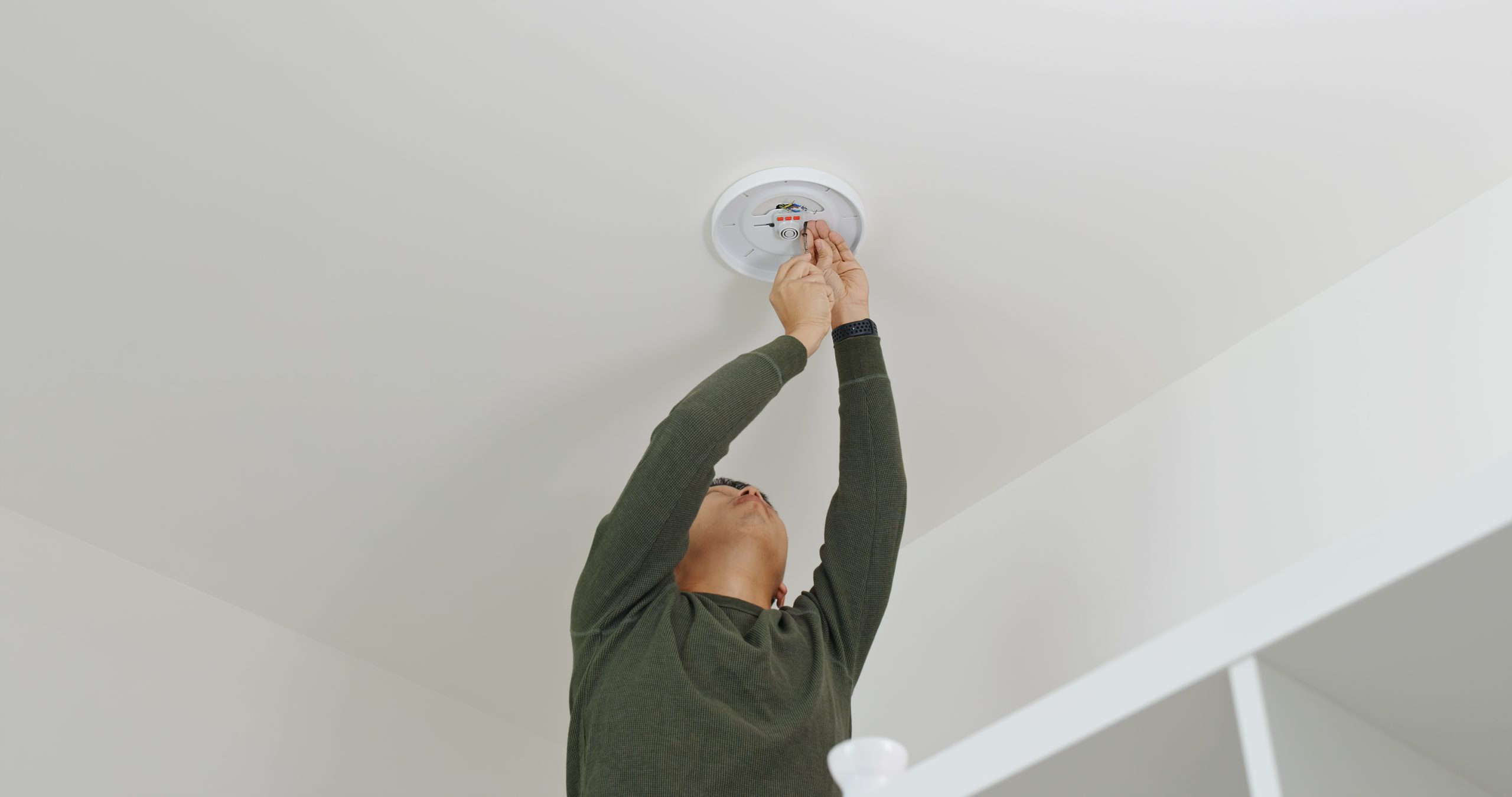
Smoke alarm maintenance is one of the simplest and most important home safety tasks a homeowner or renter can perform. Yet surveys consistently show that a significant percentage of homes either have no working smoke alarms or have alarms with dead or missing batteries. A properly installed, tested, and maintained smoke alarm is one of the most effective tools for early fire detection—giving you and your family the time needed to escape safely. I’ve walked through more homes than I can count where the alarms were installed correctly but simply never tested, so this guide covers everything I’ve learned about maintaining smoke alarms effectively.
Why Smoke Alarms Matter: The Basic Case
According to the National Fire Protection Association (NFPA), almost three out of five home fire deaths occur in homes with no smoke alarms or no working smoke alarms. The risk of dying in a home fire is cut in half in homes that have working smoke alarms compared to those without. Early warning is not just helpful—it is often the deciding factor in whether everyone escapes safely.
The NFPA also notes that in fires where alarms were present but did not operate, the leading cause was missing, disconnected, or dead batteries. Regular maintenance closes this gap entirely.
How Many Smoke Alarms Do You Need?
The general recommendation is to install smoke alarms:
- Inside every bedroom
- Outside each separate sleeping area (in the hallway near bedroom doors)
- On every level of the home, including the basement
For large homes or open floor plans, additional alarms may be advisable. In multilevel homes, the basement ceiling is a common installation point for the lowest-level alarm. Interconnected alarms—where triggering one sets off all alarms in the home—are strongly recommended because they alert everyone regardless of where they are in the house. When I upgraded my own place to interconnected alarms a few years back, the difference was noticeable the very first time one triggered from cooking smoke upstairs and I heard it clearly from the basement office.
Types of Smoke Alarms
There are two primary smoke detection technologies, each with different strengths:
Ionization Smoke Alarms
Ionization alarms use a small amount of radioactive material to ionize air in a sensing chamber. When smoke disrupts the ionization, the alarm triggers. Ionization alarms tend to respond more quickly to fast-flaming fires—the kind that spread rapidly and produce intense flames.
Photoelectric Smoke Alarms
Photoelectric alarms use a light beam and a sensor. When smoke particles scatter the light beam, the alarm triggers. These alarms are generally more responsive to slow, smoldering fires—which are common in house fires that start in walls, furniture, or while people are asleep.
Combination (Dual-Sensor) Alarms
Combination alarms incorporate both technologies. Because different fires behave differently, a dual-sensor alarm provides broader coverage and is the type recommended by many fire safety organizations, including the NFPA. Some combination models also include carbon monoxide detection, providing two-in-one protection. I switched every alarm in my house to combination units after a home inspection flagged my old ionization-only alarms as outdated, and I’ve found the peace of mind is worth the slightly higher upfront cost.
How Often to Test Smoke Alarms
Test every smoke alarm in your home at least once per month. Testing takes only a few seconds and requires pressing and holding the test button on the alarm until it sounds. Most alarms emit a loud beep or series of beeps when tested. If no sound occurs, the battery needs to be replaced or the alarm may be defective.
Monthly testing is particularly important because batteries can deplete gradually, and an alarm may not chirp to indicate a low battery until the battery is nearly completely drained. I tie my testing to the first Sunday of the month while I’m already up on a step stool changing the thermostat filter—stacking small maintenance tasks like that is the only way I actually remember to do them consistently.
Battery Replacement Schedule
Battery-powered smoke alarms require regular battery replacement. The schedule depends on the battery type:
- Standard 9-volt batteries: Replace at least once per year. A helpful habit is to replace batteries on a memorable date—the beginning of daylight saving time, a birthday, or the start of a new year. Never ignore a low-battery chirp; replace the battery immediately.
- 10-year sealed battery alarms: Many modern smoke alarms come with long-life lithium batteries sealed inside the unit and designed to last for the life of the alarm (10 years). These do not require annual battery replacement, but the entire unit must be replaced at the end of the 10-year period.
If you are unsure which type of battery your alarm uses, check the back of the unit or the documentation that came with it.
When to Replace Smoke Alarms Entirely
Smoke alarms do not last forever. The sensors inside the unit degrade over time, and an older alarm may not respond properly even if the battery is fresh. The recommended replacement interval is every 10 years from the manufacture date, not the installation date.
To find the manufacture date, look on the back of the alarm for a date stamp or serial number that includes the year. If you cannot find a date or if the alarm is more than 10 years old, replace it. A mistake I made the first time I checked my own alarms: I assumed the installation date on a sticky note left by the previous homeowner was the manufacture date. It wasn’t—the actual manufacture date stamped on the unit was almost three years earlier, which meant the alarm was closer to replacement than I’d thought.
Also replace an alarm immediately if:
- It does not sound during the monthly test despite a fresh battery
- It chirps continuously (not the low-battery chirp pattern) without a visible trigger
- It was exposed to extreme heat, moisture, or physical damage
Proper Placement Matters
Where you install a smoke alarm affects how well it performs. Follow these placement guidelines:
- Mount on the ceiling or high on a wall (within 12 inches of the ceiling). Smoke rises, so ceiling mounting ensures the alarm detects smoke as early as possible.
- Keep alarms away from windows, doors, and ducts where air currents could blow smoke away from the sensor.
- Avoid installing alarms in kitchens or near bathrooms with showers; nuisance alarms from cooking steam or shower steam are a common reason people disable or remove alarms. Install kitchen alarms at least 10 feet from cooking appliances if possible, or use a photoelectric alarm specifically designed to reduce false alarms.
- Do not install alarms in peak areas of A-frame ceilings or near dead-air spaces in corners, where smoke may not reach as readily.
Maintaining Alarms: Cleaning and Inspections
Dust and debris can accumulate inside smoke alarms and interfere with sensor performance. Clean each alarm gently twice per year by:
- Using the brush attachment of a vacuum cleaner to clean the exterior vents and slots
- Blowing compressed air gently into the vents to dislodge dust inside the chamber
- Avoiding the use of cleaning sprays or liquids on or inside the alarm
After cleaning, always test the alarm to confirm it is functioning properly. In my experience, the alarm nearest the kitchen collects noticeably more dust and grease film than the others, so I give that one extra attention every time.
Hardwired Smoke Alarms
Many homes, particularly those built or significantly renovated after the late 1980s, have hardwired smoke alarms that run on household electricity with a battery backup. These alarms have the advantage of not depending solely on battery power, and interconnected hardwired systems are common in newer construction.
Hardwired alarms still require the same maintenance as battery-powered models:
- Test monthly using the test button
- Replace the backup battery annually or as indicated
- Replace the unit itself at the 10-year mark
If a hardwired alarm is malfunctioning and you are not comfortable working with household wiring, contact a licensed electrician.
Smoke Alarm Maintenance Checklist
- Test every alarm in the home monthly (press and hold the test button)
- Replace 9-volt batteries at least once per year or immediately when the alarm chirps
- Check the manufacture date on every alarm and note the 10-year replacement due date
- Replace any alarm that is 10 or more years old
- Clean alarm vents with a vacuum brush attachment twice per year
- Confirm alarms are installed inside every bedroom, outside each sleeping area, and on every level
- Verify that interconnected alarms (hardwired or wireless) trigger together
- Review your home escape plan and make sure all household members know two ways out of every room
The U.S. Fire Administration recommends that every household have and practice a home fire escape plan, with smoke alarms as the first line of detection. Working alarms and a practiced plan together are far more protective than either alone. Setting a recurring monthly reminder to test your alarms takes 30 seconds to set up and could make all the difference.
Written by Kevin Alvarez, BloggedTopics Home & Family Editor. Last reviewed and updated August 4, 2026.
