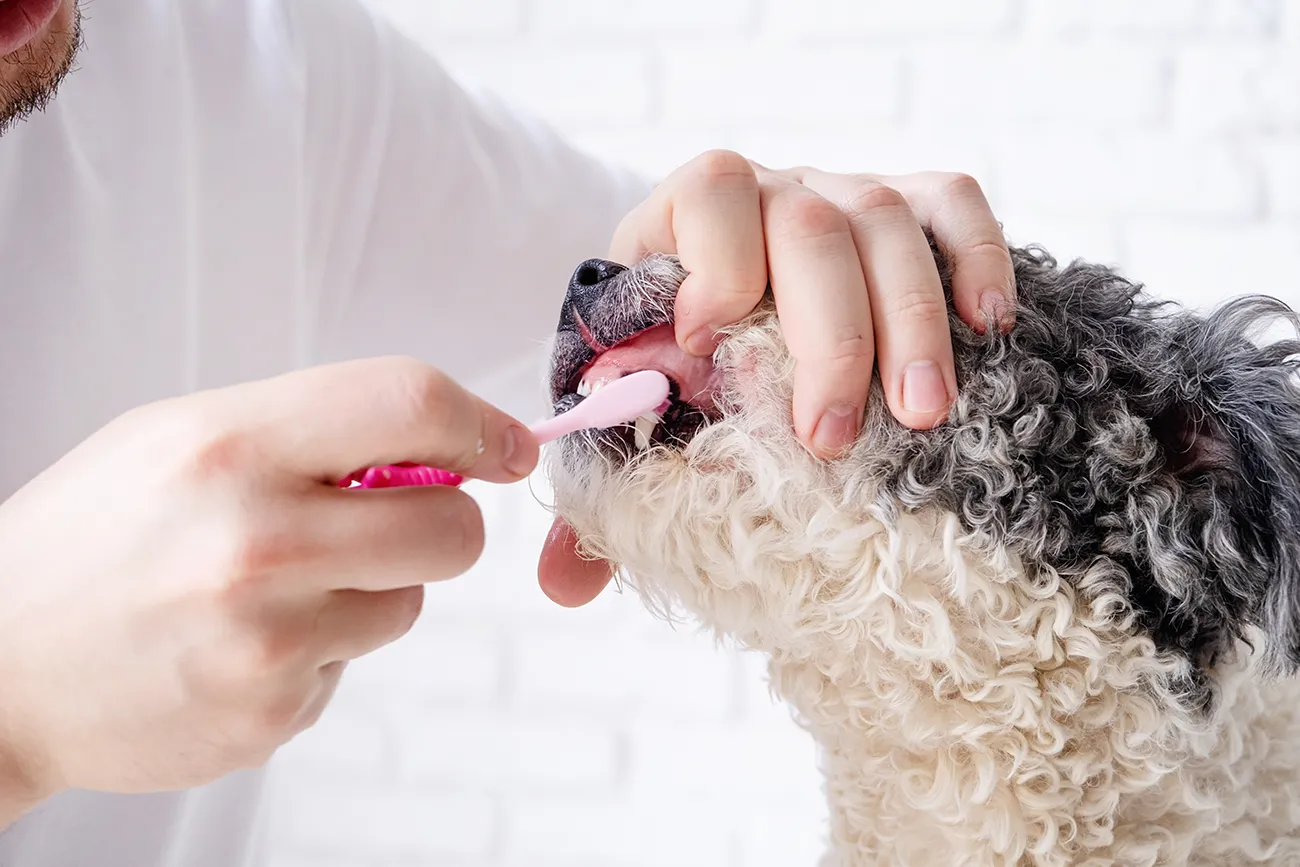
Most pet owners know their dogs and cats need vaccines, regular checkups, and parasite prevention — but pet dental care often falls off the list entirely. Dental disease is one of the most common health conditions in dogs and cats, affecting the majority of pets by age three, according to veterinary estimates. I will admit I did not start brushing my own dog’s teeth until a vet pointed out early tartar buildup at a routine visit, and I wish I had started years sooner. This guide walks through what you need to know to get started.
Why Pet Dental Health Matters
Poor dental hygiene in pets does not just cause bad breath. Untreated dental disease leads to:
- Gingivitis and periodontitis — inflammation and infection of the gums and structures supporting the teeth. This is painful and progressive.
- Tooth loss — advanced gum disease erodes the bone and tissue holding teeth in place.
- Difficulty eating — pets with dental pain often eat less or favor one side of their mouth, which can contribute to weight loss and nutritional deficiencies.
- Bacterial spread — bacteria from dental infections can enter the bloodstream and, in severe cases, affect the heart, liver, and kidneys.
The American Veterinary Medical Association (AVMA) provides educational resources on pet dental health, including a breakdown of what to look for and when to seek care. Their pet dental care resource page is a reliable starting point for owners who want to understand the basics from a credible veterinary source.
Signs That Your Pet May Have Dental Problems
Pets cannot tell you their mouth hurts, so watch for these signs:
- Persistent bad breath (worse than typical “dog breath”)
- Yellow or brown buildup along the gumline (tartar)
- Red, swollen, or bleeding gums
- Dropping food while eating or chewing on one side only
- Reluctance to eat hard food or chew toys
- Pawing at the mouth or face
- Drooling more than usual
- Visible broken or missing teeth
If you notice any of these, contact your veterinarian. Some of these symptoms can also indicate other issues, so a professional exam is always the right next step. In my own experience, the first sign I noticed was my dog favoring one side while chewing, which I initially chalked up to a random preference before realizing it was actually pain on the other side.
Brushing Your Pet’s Teeth: The Gold Standard
Daily tooth brushing is the single most effective thing you can do for your pet’s dental health. It sounds daunting if you have never done it, but most pets can be trained to tolerate and even enjoy brushing with the right approach.
What You Need
- Pet-safe toothpaste — this is not optional. Human toothpaste contains fluoride and xylitol, both of which are toxic to dogs and cats. Pet toothpastes come in flavors like chicken, beef, and peanut butter that most pets enjoy.
- A soft-bristle pet toothbrush or finger brush — finger brushes (soft rubber caps that fit over your finger) can be easier to use on cats and small dogs. Standard soft brushes work well for larger dogs.
How to Introduce Brushing Gradually
- Start with your finger — let your pet sniff and lick a small amount of pet toothpaste off your finger for several days in a row before introducing a brush.
- Touch the gums — once your pet is comfortable with the paste, gently rub your finger along the gumline for a few seconds. Reward after each session.
- Introduce the brush — let your pet sniff and lick the brush, then begin gentle circular motions along the outer surfaces of the teeth. The inner surfaces are less critical as the tongue provides some natural cleaning. When I first tried this, I rushed the process and tried to brush for a full minute on day one; my dog wriggled away and avoided the brush for a week afterward, so starting with just a few seconds truly does matter.
- Build up gradually — aim for 30 seconds per side, working up over several weeks. Always end on a positive note with praise and a treat or play session.
Dental Treats, Chews, and Toys
If brushing every day is not realistic right away, dental treats and chews provide a useful supplemental benefit — not a replacement for brushing, but better than nothing. Look for products that carry the Veterinary Oral Health Council (VOHC) seal, which indicates the product has been tested and shown to reduce plaque or tartar. The VOHC accepted products list is publicly available and updated regularly, making it easy to choose a verified product over something based purely on marketing claims.
For context on how widespread dental disease is in pets and why prevention matters, the AVMA pet dental care resource explains the progression of dental disease and what professional treatment involves.
Some guidelines on dental products:
- Rawhide — beneficial for some dogs in moderation, but choose size-appropriate pieces and supervise to prevent choking. Not recommended for aggressive chewers.
- Rubber chew toys — look for dental-specific designs with ridges and textures that help scrub plaque off teeth during chewing.
- Avoid very hard items — real bones, antlers, and hard nylon chews can cause tooth fractures, especially in senior pets or dogs with existing dental issues. If you cannot press your thumbnail into the surface, it may be too hard.
- Dental water additives — liquid products added to drinking water that help reduce bacteria. Effectiveness varies; look for VOHC-accepted options.
Professional Dental Cleanings at the Vet
Even with diligent home care, most pets will need professional dental cleanings under anesthesia at some point. These cleanings are similar to the dental cleanings humans receive, but require anesthesia because pets cannot sit still in a dental chair. Key things to understand:
- Anesthesia is necessary and generally safe — “anesthesia-free” dental cleanings are not an effective substitute; they only clean visible tooth surfaces and miss the subgingival (below the gumline) areas where disease develops. The American Veterinary Dental College advises against anesthesia-free cleanings.
- Frequency varies by individual — some pets need cleanings every year; others every two to three years depending on breed, diet, and home care practices.
- Pre-anesthetic bloodwork — your vet may recommend bloodwork before a cleaning to ensure your pet’s organs are functioning well enough to handle anesthesia safely.
- Cost — professional dental cleanings vary by region and practice but typically range from $300 to $800 or more, depending on what is found. Dental disease requiring extractions increases cost. Pet insurance often covers dental cleanings with illness or accident coverage, but not always — read your policy carefully. I was surprised when my own pet’s routine cleaning turned into a $600 visit once two extractions were needed, which is a good reminder to budget for the higher end of that range rather than the lower one.
Special Considerations for Cats
Cats present some unique dental challenges:
- Cats are more prone to a painful condition called feline tooth resorption, where the tooth structure breaks down. This can affect any tooth and often requires extraction.
- Many cats are more difficult to brush than dogs; introduction must be very gradual. Dental treats and water additives become more important supplemental tools for cats whose owners cannot brush regularly.
- Cats with flat faces (Persians, Exotic Shorthairs) are more prone to dental crowding and disease due to jaw conformation.
Breed Considerations for Dogs
Small and toy breeds tend to have more dental disease than large breeds. This is because smaller mouths often have crowded teeth where plaque accumulates more easily, and smaller dogs often live longer — giving dental disease more time to progress. Dachshunds, Yorkies, Chihuahuas, and Pomeranians are among the breeds most prone to early dental issues. If you have a small-breed dog, discuss proactive dental care with your vet at every annual exam.
Pet Dental Care Checklist
- ☑ Schedule a dental exam at your pet’s next annual checkup
- ☑ Purchase pet-safe toothpaste and a soft brush or finger brush
- ☑ Begin a gradual tooth brushing introduction routine
- ☑ Select VOHC-accepted dental treats or chews as a supplement
- ☑ Avoid excessively hard chews that can fracture teeth
- ☑ Watch for bad breath, red gums, or changes in eating behavior
- ☑ Ask your vet how often professional cleanings are recommended for your pet
- ☑ Review your pet insurance policy to understand dental coverage
Starting a dental care routine early makes it much easier. Puppies and kittens who get accustomed to having their mouths handled and teeth brushed are far more cooperative as adults. Even if your pet is older and new to brushing, most adapt with patience and positive reinforcement. A little daily effort now can prevent significant discomfort — and expense — down the road.
Written by Kevin Alvarez, BloggedTopics Home & Family Editor. Last reviewed and updated August 8, 2026.
