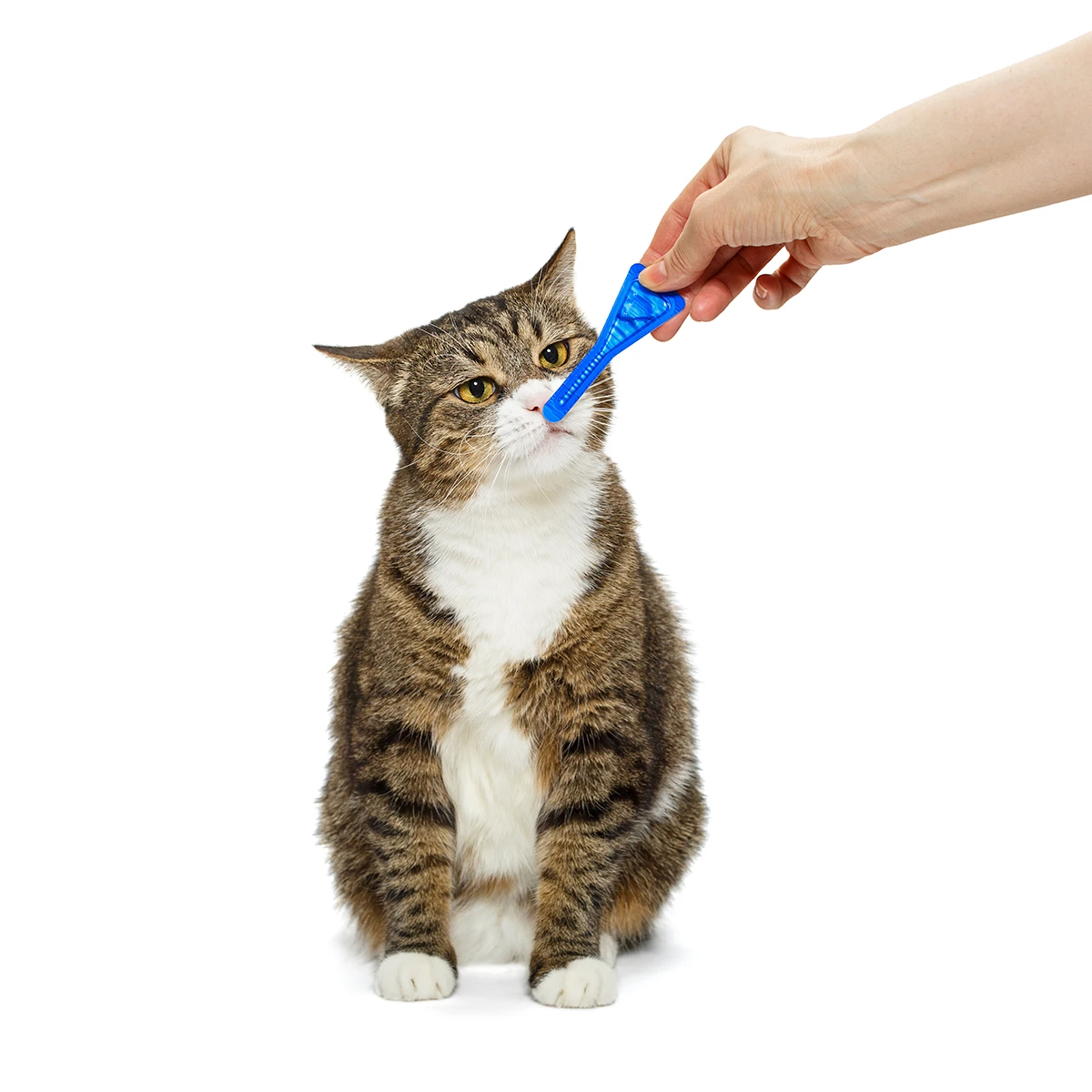
Persian kittens are admired for their luxurious long coats, round faces, and calm, gentle personalities. But they are not the right match for every home or every owner. Before purchasing a Persian kitten, it is important to understand the significant grooming commitment involved, the potential health concerns associated with the breed, and the markers that distinguish a responsible breeder from a problematic one.
Be cautious with extreme facial features
Some Persians are bred with very flat faces, a feature sometimes described as extreme or ultra-typed brachycephalic structure. This facial conformation can be associated with breathing difficulties, dental crowding, eye drainage problems, and skin fold irritation. PetMD’s Persian breed health guide explains that Persian cats can be affected by brachycephalic airway syndrome and associated complications, which are worth discussing in detail with any breeder you consider.
A kitten’s appearance should not be the only factor in your decision. When evaluating a kitten, ask about the parents’ breathing quality and whether either parent has required surgical intervention for airway issues. Observe whether the kitten breathes quietly at rest and whether there is significant eye discharge, which may indicate a structural issue rather than a temporary mild irritation.
Some breeders and breed standards have moved toward less extreme facial features in response to welfare concerns. Kittens with moderately flat faces often experience fewer health problems than those bred to extreme conformations. Asking specifically about the breeder’s stance on health versus appearance can be revealing.
Ask better questions of any breeder
A responsible breeder should welcome thorough questions, provide complete veterinary records, explain their socialization approach, allow you to see the environment where kittens are raised, and avoid pressure to decide quickly or pay a large deposit before you have had adequate time to consider. Be particularly wary of sellers who always seem to have multiple litters available, refuse to share health documentation, describe returns as impossible, or offer no post-purchase support.
Ask specifically whether the kitten has had a full veterinary examination, age-appropriate vaccinations, deworming, and flea treatment. Responsible breeders typically microchip kittens before sale and provide a health guarantee with clear terms. They should also be able to answer questions about genetic screening for polycystic kidney disease, which is a known heritable condition in Persians.
If a seller describes a kitten as “teacup” or unusually tiny, investigate carefully. Extremely small size is not a recognized welfare standard in the breed and may be associated with developmental problems or may simply be a marketing description applied to underweight kittens.
Plan for grooming and daily care
Persian coats are beautiful but require consistent maintenance. Most Persians need daily or near-daily brushing to prevent mats, which can become painful and difficult to remove once they are close to the skin. The Governing Council of the Cat Fancy’s Persian breed profile notes that the breed requires continuous coat care and that owners should be prepared for a grooming commitment that does not reduce over the cat’s lifetime.
Depending on facial structure, some Persians need daily eye area cleaning to prevent staining and skin fold irritation. Professional grooming appointments, including periodic full baths and trims, are commonly part of Persian cat ownership even for owners who handle daily brushing themselves.
Preparing your home and budget
Before bringing a Persian kitten home, budget honestly for high-quality food, premium grooming tools or professional grooming services, regular veterinary care, dental cleanings, pet insurance or a dedicated emergency savings fund, and any health-related interventions the kitten’s specific conformation may require over time.
Persian cats are generally indoor cats and tend to do best in calm, stable environments. They are often described as less demanding of active playtime than some other breeds but benefit from interactive play, enrichment, and daily social contact with their owner. Their calm temperament should not be mistaken for a preference for neglect or isolation.
The right Persian kitten comes from health-focused breeding, transparent records, and a home fully prepared for the daily grooming and wellness care this beautiful breed genuinely requires.
Understanding breed-specific veterinary costs
Persian cats, particularly those with more extreme brachycephalic conformation, may require veterinary interventions that go beyond routine care. Surgeries to widen narrowed nostrils or address elongated soft palates, eye care for chronic drainage and staining, dental extractions for crowded teeth, and management of polycystic kidney disease, which has a known genetic component in Persians, can represent significant lifetime veterinary expenses.
Pet insurance for a Persian kitten is worth researching before purchase, as premiums for insuring brachycephalic breeds are often higher to reflect the elevated likelihood of health claims. Policies acquired before health conditions become apparent provide broader coverage than those purchased after a known condition exists. Compare multiple providers and read policy exclusions carefully, as some plans exclude hereditary conditions that are common in specific breeds.
Socializing a Persian kitten appropriately
The socialization window for kittens, roughly from two to seven weeks of age, significantly influences how the cat relates to people, handling, other animals, and new experiences throughout its life. A responsibly bred Persian kitten will have been handled regularly, exposed to normal household sounds, and introduced to different people during this period by the breeder.
When you bring a Persian kitten home, continue gentle, positive socialization by exposing the kitten to different household members, visitors, mild sounds, and brief car travel during the first few months. Avoid overwhelming the kitten with too many new experiences at once. The goal is building a calm, confident cat that tolerates handling for grooming, veterinary care, and travel, all of which are more frequent necessities for Persians than for lower-maintenance breeds.
Finding the right Persian kitten takes time
Rushing into a Persian kitten purchase because one is available now rather than because the breeder, kitten, and situation are genuinely right often leads to regret. Taking additional weeks or months to find a responsible breeder, evaluate kitten health and temperament properly, and prepare the home fully is a better investment than making a hasty decision driven by impatience.
Reputable Persian breeders often have waiting lists precisely because they prioritize placing kittens with appropriate homes rather than producing as many kittens as possible. A waitlist can feel frustrating, but it is often a reliable signal of a breeder who takes the breed and individual kitten welfare seriously. The patience required to wait for the right kitten from the right source is the same patience that successful long-term Persian ownership requires every day.
 blogged