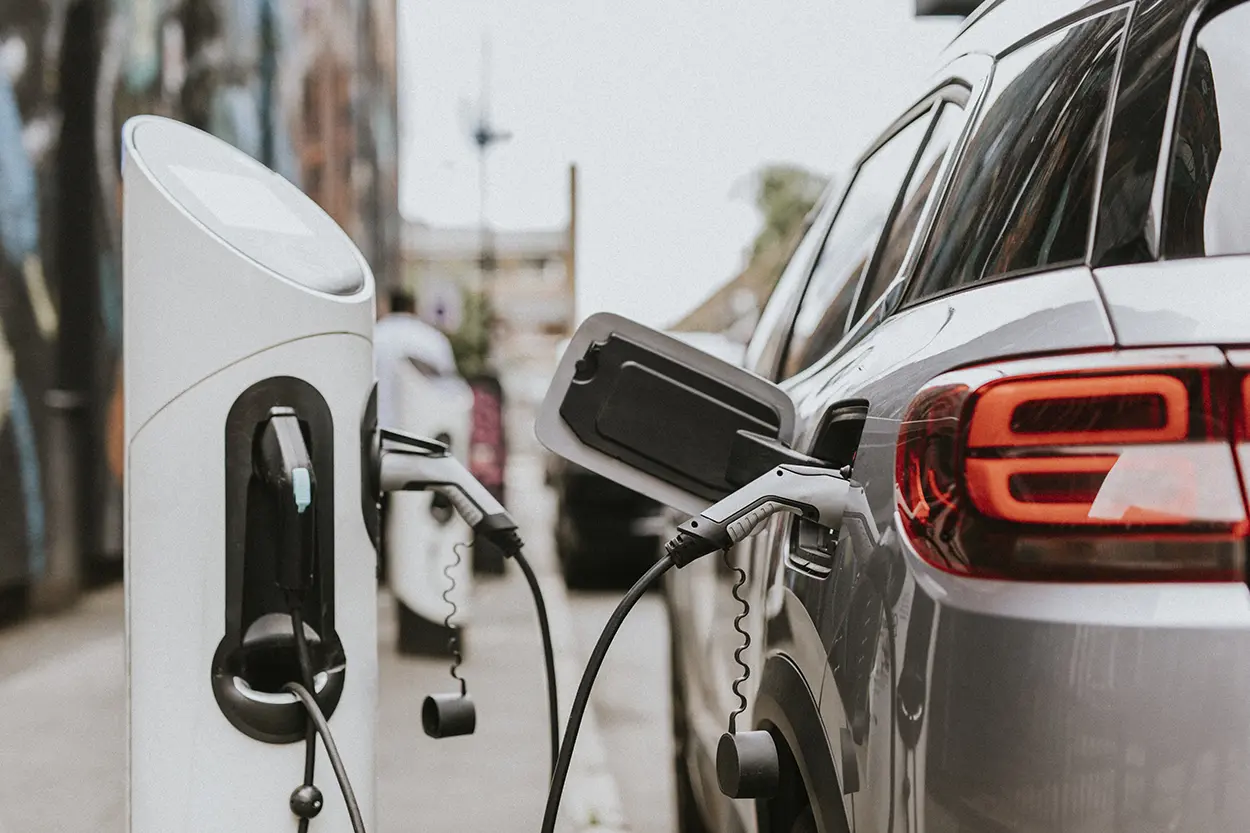
EV Charging at Home: A Practical Beginner’s Guide to Level 1 and Level 2 Chargers
One of the most significant advantages of owning an electric vehicle is the ability to charge at home overnight — the equivalent of waking up every morning with a full tank. But setting up EV home charging involves decisions about equipment, electrical capacity, installation costs, and utility programs that first-time EV owners often encounter without any preparation. This guide explains exactly how home EV charging works, what your options are, and what questions to ask before you hire an electrician.
Level 1 vs. Level 2 Charging: The Core Distinction
Home EV charging falls into two categories based on voltage and speed.
Level 1 Charging
Level 1 charging uses a standard 120-volt household outlet — the same type your phone charger or kitchen appliance uses. No special equipment or electrical work is required. You simply plug the charging cable that came with your EV into the wall outlet and connect it to your car.
The limitation is speed. Level 1 charging typically adds 3 to 5 miles of driving range per hour of charging. For a driver who commutes 30 to 40 miles per day, overnight Level 1 charging is sufficient. For drivers with longer commutes or who charge less regularly, Level 1 may not fully replenish the battery before the next trip.
Level 2 Charging
Level 2 charging uses a 240-volt circuit — the same type used by electric dryers, ovens, and water heaters. A dedicated Level 2 home charger (technically called Electric Vehicle Supply Equipment, or EVSE) connects to this circuit and communicates with your vehicle to manage charging safely.
Level 2 adds approximately 20 to 30 miles of range per hour, depending on the charger’s output (measured in kilowatts) and your vehicle’s onboard charger capacity. A typical EV with a depleted battery can fully recharge in 6 to 10 hours overnight on Level 2 — far faster than Level 1.
Do You Need a Level 2 Charger?
Not every EV owner does. Level 1 is genuinely adequate for:
- Drivers with short daily commutes of 40 miles or fewer
- Plug-in hybrid electric vehicle (PHEV) owners with smaller battery packs
- Households with flexible schedules where the car sits plugged in for 10 or more hours overnight
Level 2 is worth the investment for:
- Drivers with longer commutes or unpredictable charging windows
- Owners of long-range EVs with larger battery packs (60 kWh and above)
- Households with multiple EVs sharing a single charger
- Anyone who wants the flexibility to fully recharge quickly and frequently
What You Need to Install Level 2 Charging at Home
A Dedicated 240-Volt Circuit
A Level 2 charger requires a dedicated 240-volt circuit, typically a 50-amp or 60-amp breaker in your electrical panel. If your panel does not have available space for a new breaker, or if the panel is too small to handle the additional load, an electrical panel upgrade may be needed before installation. A licensed electrician must evaluate your panel before installation begins.
An EVSE (Home Charging Unit)
The equipment itself ranges from simple wall-mounted units to smart chargers with Wi-Fi connectivity, scheduling features, and energy monitoring. Common output levels for home use are 32 amps (7.2 kW) and 48 amps (11.5 kW). Your car’s onboard charger determines the maximum rate it can actually accept, so buying a faster charger than your vehicle can use is money spent on capability you cannot utilize.
Professional Electrician Installation
DIY electrical work on a 240-volt circuit is not recommended and may void equipment warranties or violate local codes. A licensed electrician will handle wiring, conduit, breaker installation, and any permits required by your municipality. Installation costs typically range from $200 to $800 for straightforward installs in homes where the panel is nearby the garage, and more for homes requiring a long conduit run or panel upgrades.
Federal Tax Credits and Utility Incentives
Installing a home EV charger may qualify for federal and state incentives. The Alternative Fuel Vehicle Refueling Property Credit under the Inflation Reduction Act provides a federal tax credit of 30% of the cost of home EV charging equipment and installation, up to $1,000 for residential installations. Eligibility requirements and income limits apply.
According to the U.S. Department of Energy’s Electric Vehicle charging resource, many electric utilities also offer rebates on charger equipment, reduced electricity rates for overnight EV charging, or free or discounted installation programs. Contact your utility company directly to ask about current offers before purchasing equipment.
Smart Charging Features Worth Considering
Modern Level 2 chargers often include features that can save money and improve convenience:
- Scheduled charging: Set the charger to start charging during off-peak electricity hours, typically overnight, when rates are lower. Many utilities offer time-of-use rate plans specifically designed for EV owners.
- Energy monitoring: Track how much electricity your vehicle uses and what it costs per charge session.
- Remote control: Start, stop, or adjust charging from your smartphone.
- Load balancing: If your home has limited electrical capacity, smart chargers can reduce output when other high-draw appliances are in use simultaneously.
Outdoor Installation Considerations
If you park in a driveway or open parking area rather than a garage, you can still install a Level 2 charger. Look for chargers rated for outdoor use with a weatherproof enclosure (NEMA 3R or NEMA 4 rating). The charging cable should be long enough to reach your vehicle’s charge port regardless of how it is parked. Most standard EV charging cables are 18 to 25 feet long.
Condo and Apartment EV Charging
If you live in a multi-unit building and park in a shared garage, home charging is more complicated. Some buildings allow residents to install Level 2 chargers in designated parking spots with HOA or building management approval. Others have shared charging programs managed by the building. Legislation in several states now requires landlords and HOAs to permit reasonable EV charging installation requests, though the rules vary by location.
Maintenance and Safety Tips
- Inspect the charging cable for wear, fraying, or damage regularly. Replace damaged cables immediately.
- Keep the charging port on your vehicle clean and free of debris.
- Do not run charging cables across areas where they can be driven over or tripped on.
- Never use extension cords with Level 2 equipment.
- If the charger or cable feels hot to the touch during a session (beyond normal warmth), stop charging and have the equipment inspected.
The National Fire Protection Association (NFPA) publishes guidance on electric vehicle charging safety at home, including best practices for parking and charging locations to minimize fire risk.
Getting Started
Setting up home EV charging is simpler than it looks from the outside. Most installations involve hiring an electrician for a few hours of work and purchasing a charger unit that will last the life of the vehicle. Start by checking your electrical panel capacity, getting quotes from two or three licensed electricians, looking up your utility’s rebate programs, and confirming federal tax credit eligibility. With those steps done, you will have a clear picture of the real cost — and the long-term convenience of charging at home is worth it for nearly every EV owner.
 blogged