How to Choose a Bike Helmet: A Practical Buying Guide for Every Rider
Knowing how to choose a bike helmet is the most important safety decision any cyclist makes before getting on a bike. A helmet that fits poorly, lacks appropriate certification, or was purchased for the wrong riding style provides substantially less protection than one chosen carefully. I run fit checks at local group rides a few times a year, and I’m still surprised how many riders show up in a helmet that’s technically the right size but adjusted so loosely it slides around when they shake their head. This guide covers fit, safety certifications, helmet types for different riding styles, features worth paying for, and how to know when it is time to replace the one you already own.
Why Helmet Fit Matters More Than Price
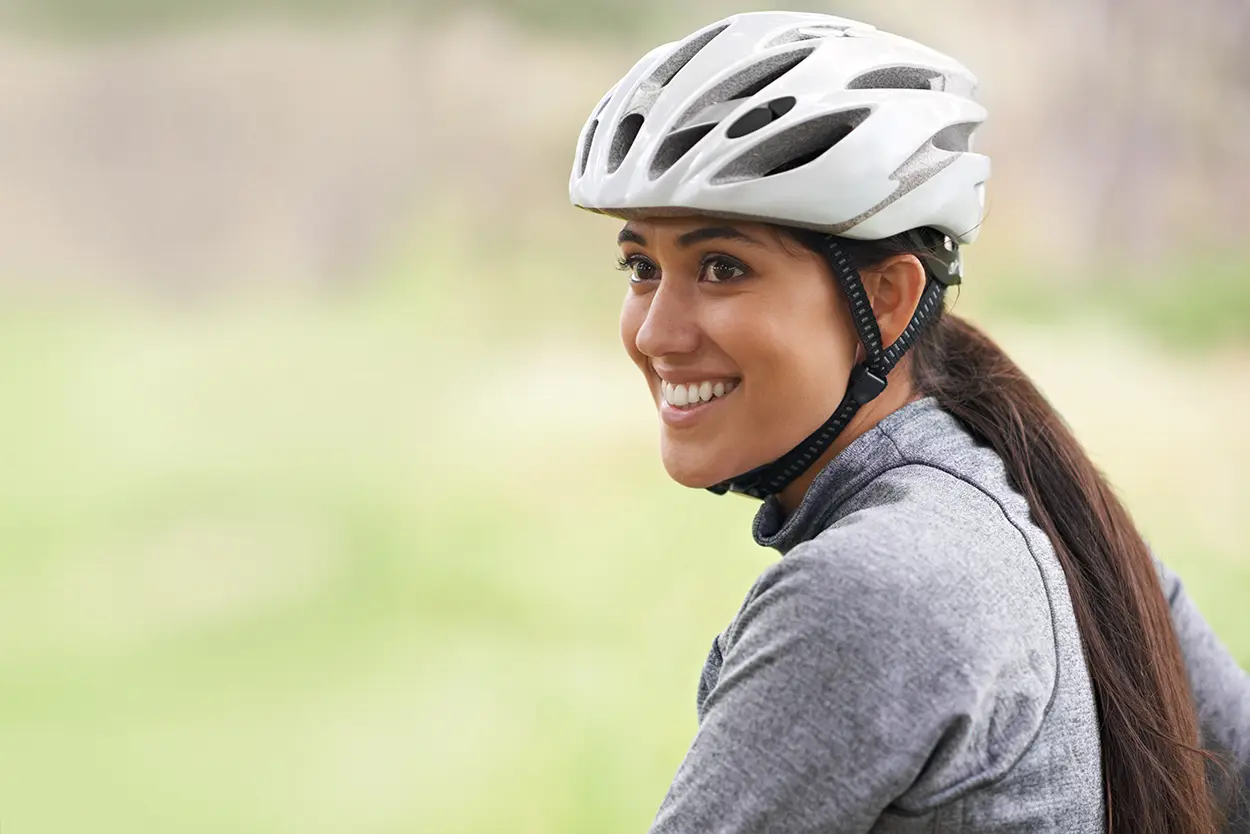
An expensive helmet that does not fit properly is less effective than a well-fitted budget helmet. Fit is the single most important factor in helmet selection. A properly fitted bike helmet should:
- Sit level on your head, approximately two finger-widths above your eyebrows
- Feel snug but not painfully tight when you shake your head side to side and front to back
- Have the side straps forming a V-shape under each ear
- Have the chin strap snug enough that you can fit one finger underneath it when buckled
- Not rock forward, backward, or side to side when you press on it with your palms
Most helmets come in small, medium, and large based on head circumference in centimeters. Measure your head with a flexible tape measure about one inch above your eyebrows for the most accurate size reference. Many helmets include a dial-adjust retention system at the back that allows fine-tuning within a size range.
A mistake I see constantly at fit checks: someone measures their head correctly, orders the right size, but then wears the helmet tilted back toward the crown to look less “dorky,” which pushes it off the forehead entirely. A helmet that has slid back even an inch no longer protects the front of the head in a forward fall, which is the single most common impact point in a cycling crash. I did this myself for an embarrassingly long time as a teenager before someone pointed out that my helmet was basically decorative at that angle. If you find yourself repeatedly adjusting a helmet forward during a ride, the retention dial is likely too loose rather than the size being wrong — tighten the dial first before assuming you need a different size.
Safety Certifications to Look For
Any bike helmet sold legally in the United States must meet the Consumer Product Safety Commission (CPSC) standard, which covers road, recreational, and mountain biking. The CPSC certification label should be inside every helmet. Additional certifications to understand:
- CPSC 1203 – Mandatory for U.S. sale; covers impact protection for recreational cycling
- ASTM F1492 – Skateboard/scooter standard; sometimes seen on hybrid helmets
- MIPS (Multi-directional Impact Protection System) – Not a certification but a technology layer inside many helmets that reduces rotational force during angled impacts. Research consistently supports its effectiveness for reducing certain types of brain injury. Look for MIPS if it fits your budget.
- Virginia Tech Helmet Ratings – Virginia Tech’s Helmet Lab publishes independent five-star safety ratings for bicycle helmets based on lab testing that goes beyond minimum certification requirements. Their database is free to search at Virginia Tech’s Helmet Ratings website. I check this database before recommending any specific model to readers, since star ratings between seemingly similar helmets can differ more than you’d expect.
Helmet Types by Riding Style
Different cycling disciplines have developed helmet designs optimized for their specific demands.
Road Cycling Helmets
Road helmets prioritize ventilation and aerodynamics for long-distance riding. They feature large vents, lightweight construction, and a longer rear profile that covers more of the back of the head. They are not appropriate for mountain biking, where full-face or extended-coverage helmets provide better protection for falls.
Mountain Biking Helmets
Recreational trail mountain biking helmets resemble road helmets but cover more of the sides and rear of the head. Full-face mountain bike helmets add a chin guard and are used for downhill and enduro disciplines where falls are more likely and faster. Choose a full-face helmet if you ride technical or gravity-oriented trails.
Commuter and Urban Helmets
Commuter helmets often have a more casual aesthetic, better rear coverage than road helmets, and may include built-in lights or reflective elements. Some are designed to look less sporty and more like everyday headwear to reduce the perceived stigma of helmet-wearing for commuters. I switched to a commuter-style helmet with a built-in rear light a couple of years ago, mostly because I got tired of clipping a separate blinker light onto three different bags, and it’s genuinely made me more likely to wear it on short trips.
Children’s Helmets
Children’s helmets must also meet CPSC certification. The most important factor for kids is fit—a helmet that keeps sliding off or is uncomfortable will simply not be worn. Replace a child’s helmet as they grow; a properly fitting helmet is more effective than a larger one they will eventually grow into.
Ventilation and Weight
Ventilation matters most for road and trail riders in warm weather. More vents generally mean more airflow but can reduce structural coverage. For commuting or casual riding where sustained high effort is less common, ventilation is less critical. Weight affects comfort on long rides; most recreational helmets are light enough that weight is not a primary concern unless you are training competitively.
Features Worth Considering
- Dial retention system – Allows precise fit adjustment without removing the helmet; standard on most mid-range and higher helmets
- Removable padding – Can be washed, extending the helmet’s useful life
- Integrated lights – Useful for commuters and low-light riders
- Visor – Helps with sun and debris; common on mountain bike helmets, less common on road helmets
- Magnetic buckle – Easier to fasten with one hand; useful for commuters
When to Replace Your Helmet
Helmets have a finite useful life regardless of visible damage. The general guidance from most manufacturers and safety organizations is to replace a helmet every five years, as the foam and structural materials degrade over time with exposure to heat, UV light, sweat, and use. Replace any helmet immediately after a significant impact, even if it looks undamaged—the foam core may have compressed in ways invisible to the naked eye, reducing its ability to absorb future impacts. The Bicycle Helmet Safety Institute provides detailed replacement guidelines and the science behind them. I replaced a helmet after a low-speed tip-over that left no visible marks at all, just because I couldn’t be sure the foam hadn’t compressed — it felt wasteful at the time, but it’s cheap insurance compared to the alternative.
How to Check Your Existing Helmet
Before relying on a helmet you already own:
- Check the manufacture date on the interior label and confirm it is within the replacement window
- Inspect for cracks, dents, or compressed areas in the foam liner
- Check that all straps and buckles function correctly and are not frayed or cracked
- Confirm the helmet still fits properly, especially for children who have grown
- Verify the CPSC certification label is present and legible
Budget Guidance
A certified, MIPS-equipped bike helmet from a reputable brand is available for $50–$80 in recreational sizes. Road and mountain bike helmets from established brands offering additional features typically range from $80–$200. Paying more than that generally buys marginal gains in weight and aerodynamics relevant only to competitive riders. For the vast majority of cyclists, a well-fitted helmet at the $50–$100 price point with CPSC certification and MIPS technology provides excellent protection. Focus budget on fit and certification first; style and additional features second.
Understanding how to choose a bike helmet is straightforward once you prioritize fit, certification, and appropriate style for your riding type over aesthetics or brand recognition alone. The right helmet is the one that fits correctly, passes current safety standards, and will actually be worn on every ride.
Written by Sarah Whitfield, BloggedTopics Travel & Lifestyle Editor. Last reviewed and updated August 4, 2026.
