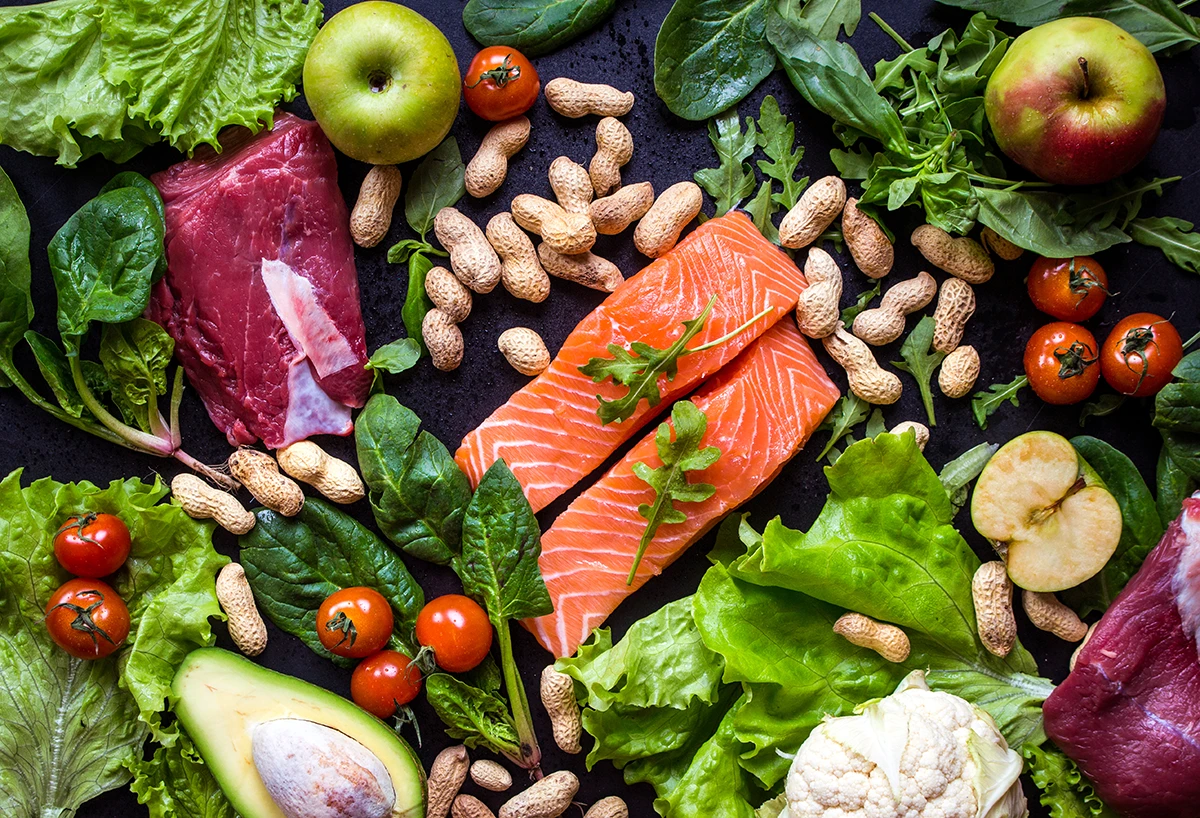
One of the most persistent myths about healthy eating is that it is expensive. While certain food marketing trends — organic superfoods, specialty health products, boutique meal kits — can indeed stretch a budget, the fundamentals of a nutritious diet are built on ingredients that have always been among the least expensive foods available: legumes, whole grains, eggs, seasonal vegetables, and affordable proteins. Eating well on a budget is genuinely possible, but it does require some intentionality in how you shop and what you buy.
This guide covers the most effective strategies for getting the most nutritional value from your grocery dollar, organized from the highest-impact habits to the useful fine-tuning steps.
Start with a Meal-Oriented Shopping List
The most effective single habit for reducing grocery spending and food waste is to shop with a specific plan rather than browsing the store. Before you go to the grocery store:
- Decide which specific meals you will make during the coming week.
- Write a shopping list based on those meals, noting exact quantities you need.
- Check your pantry, refrigerator, and freezer before the list to avoid buying things you already have.
A shopping list prevents impulse purchases, reduces the chance of buying duplicate items you will not use, and helps you avoid the expensive reflex of buying convenience foods because you have no plan for dinner. Studies consistently show that shoppers without a list spend significantly more and throw away more food than those who shop with a plan.
Build Your Diet Around Budget-Friendly Nutritious Staples
The following foods are consistently among the lowest-cost-per-serving options available while also being nutrient-dense:
Legumes and Beans
Dried lentils, black beans, chickpeas, pinto beans, and split peas are among the most economical protein and fiber sources on earth. Dried beans cost a fraction of canned beans and are just as nutritious. A pound of dried lentils — which costs roughly $1.50 at most grocery stores — expands dramatically when cooked and can serve as the protein base for four to six meals. The USDA’s MyPlate protein food guidance highlights legumes as an excellent source of both protein and dietary fiber.
Whole Grains
Brown rice, oats, whole wheat pasta, barley, and quinoa provide complex carbohydrates, fiber, and meaningful amounts of protein. Buying these in larger bags (five pounds rather than one pound) significantly reduces the per-serving cost. Rolled oats in particular offer exceptional nutrition at very low cost — a large container provides weeks of breakfasts for a few dollars.
Eggs
Eggs remain one of the most nutrient-dense and affordable animal proteins available. They provide complete protein, vitamins B12 and D, choline, and healthy fats. Eggs work for any meal of the day and can be prepared dozens of ways in under ten minutes.
Frozen Vegetables and Fruits
Frozen produce is picked and frozen at peak ripeness, preserving nutritional content effectively — in many cases frozen vegetables are nutritionally comparable or superior to fresh produce that has been shipped long distances and sat on shelves. Frozen spinach, broccoli, peas, corn, mixed vegetables, and berries are significantly cheaper than fresh equivalents and have a much longer shelf life, reducing waste.
Canned Fish
Canned tuna, salmon, sardines, and mackerel are excellent sources of protein and omega-3 fatty acids at a fraction of the cost of fresh fish. A can of tuna or salmon provides a complete protein portion for well under $2.
Seasonal Fresh Produce
Fresh produce is cheapest when it is in season locally. Buying what is currently abundant and cheap — apples in fall, zucchini in summer, sweet potatoes in winter — gives you the best combination of freshness, flavor, and price. Shop the perimeter of produce sections and prioritize what is on sale.
Understand Unit Pricing
Grocery stores display unit prices (cost per ounce, per pound, or per serving) on shelf tags, usually in smaller type below the retail price. Comparing unit prices rather than package prices is the fastest way to identify the best value. Larger packages are frequently but not always cheaper per unit — check the label rather than assuming.
Reduce Meat Consumption Strategically
Meat is one of the most expensive components of most grocery budgets. Reducing meat from five or six nights per week to two or three, and substituting legumes, eggs, or canned fish as the protein source on other nights, can cut a grocery bill substantially while maintaining excellent protein intake. When you do buy meat, bone-in cuts, drumsticks, thighs, and less fashionable cuts like chuck roast are almost always cheaper per pound than boneless breasts, steaks, or pre-cut convenience cuts.
Avoid Pre-Packaged Convenience Foods
Pre-cut vegetables, individually portioned snacks, pre-seasoned proteins, shredded cheese, single-serving containers, and ready-to-eat packaged meals all carry a significant convenience premium. You are paying for someone else’s labor and packaging. The same nutrition is available for far less by buying whole ingredients and doing minimal preparation yourself. A head of cabbage costs a fraction of a bag of pre-shredded coleslaw mix; a block of cheese is significantly cheaper per ounce than shredded cheese in a bag.
Use Store Brands and Generic Products
Store brand and generic versions of pantry staples — canned tomatoes, dried pasta, rice, cooking oil, oats, dried beans, spices — are produced by the same manufacturers as name-brand products in most cases and meet the same food safety standards. The quality difference between store-brand canned black beans and a premium brand is nonexistent for practical purposes. Systematically choosing store brands for commodity items can reduce a grocery bill by 10 to 25 percent with no nutritional trade-off. The FDA’s guidance on food labeling and nutrition can help you read and compare nutrition labels between products.
Shop with a Full Stomach and a Clear List
Shopping while hungry reliably leads to impulse purchases of processed snacks, pre-made foods, and items that were not on your list. Shop after eating when possible, and stick to your list with discipline. The middle aisles of most grocery stores are dominated by the highest-margin, lowest-nutritional-value processed foods — a plan-based shopping approach naturally limits your exposure to those sections.
Minimize Food Waste
The average American household wastes a significant portion of the food it purchases. Reducing waste is one of the most impactful ways to stretch a grocery budget:
- Store produce properly — learn which items belong in the refrigerator and which do better at room temperature.
- Use a “first in, first out” system when restocking — move older items to the front.
- Plan at least one weekly meal that uses up remaining produce and leftovers.
- Freeze bread, meat, and produce before they go bad rather than discarding them.
- Learn to use vegetable scraps, stems, and slightly wilted produce in soups, stir-fries, and smoothies.
Compare Prices Across Stores
For most staple items — rice, dried beans, canned vegetables, eggs, whole chicken — prices can vary considerably between stores. Warehouse clubs and discount grocery chains frequently offer lower prices on staples than conventional supermarkets. Ethnic grocery stores (Asian, Latin, Middle Eastern, and South Asian markets) are often significantly cheaper for spices, dried legumes, rice, fresh produce, and fresh fish. Shopping at a mix of store types for different categories can produce meaningful savings.
Sample Low-Cost Healthy Pantry List
- Dried lentils, black beans, chickpeas
- Brown rice and oats
- Whole wheat pasta
- Canned tomatoes (whole, diced, and paste)
- Canned fish (tuna, salmon, sardines)
- Frozen spinach, broccoli, peas, mixed vegetables
- Frozen berries
- Eggs
- Cooking oil (vegetable, canola, or olive)
- Garlic, onions, carrots, celery
- Basic spices: cumin, chili powder, paprika, black pepper, oregano
- Low-sodium chicken or vegetable broth
With these staples and a rotating selection of seasonal fresh produce and affordable proteins, you have the foundation for weeks of varied, nutritious, satisfying meals at a fraction of what most households spend on food. Healthy eating on a budget is not about deprivation — it is about building your diet around foods that have always been both affordable and genuinely nourishing.
 blogged