What Municipal Compost Pickup Is and Why It Is Expanding
Municipal compost pickup — sometimes called curbside organics collection or community composting — is a city or county-run service that collects food scraps, yard waste, and other organic materials from residential and sometimes commercial properties for processing into compost. It is separate from backyard composting (which you manage yourself in a bin or pile) and from municipal green waste collection (which is often limited to yard trimmings). Municipal compost pickup programs have expanded significantly over the past decade as cities pursue sustainability goals, reduce landfill volumes, and meet state organics diversion mandates.
If your municipality offers — or is planning to offer — curbside organics collection, understanding how the program works, what materials are accepted, and how to participate effectively helps you avoid contamination penalties, get the most from the service, and contribute to a genuinely impactful waste diversion effort.
How Municipal Compost Programs Work
Municipal composting programs typically operate in one of two ways:
- Curbside collection: Residents receive a designated organics bin (usually green or brown, often a 32- or 64-gallon cart) that is collected on a regular schedule — often weekly, sometimes biweekly. Some programs provide a small kitchen countertop collection container for temporarily storing food scraps before transferring them to the outdoor bin. The collected materials are transported to a compost facility or anaerobic digestion facility for processing.
- Drop-off programs: Some municipalities that do not yet offer curbside collection operate community drop-off sites — often at farmers markets, transfer stations, or parks — where residents can bring their food scraps and yard waste for collection and processing.
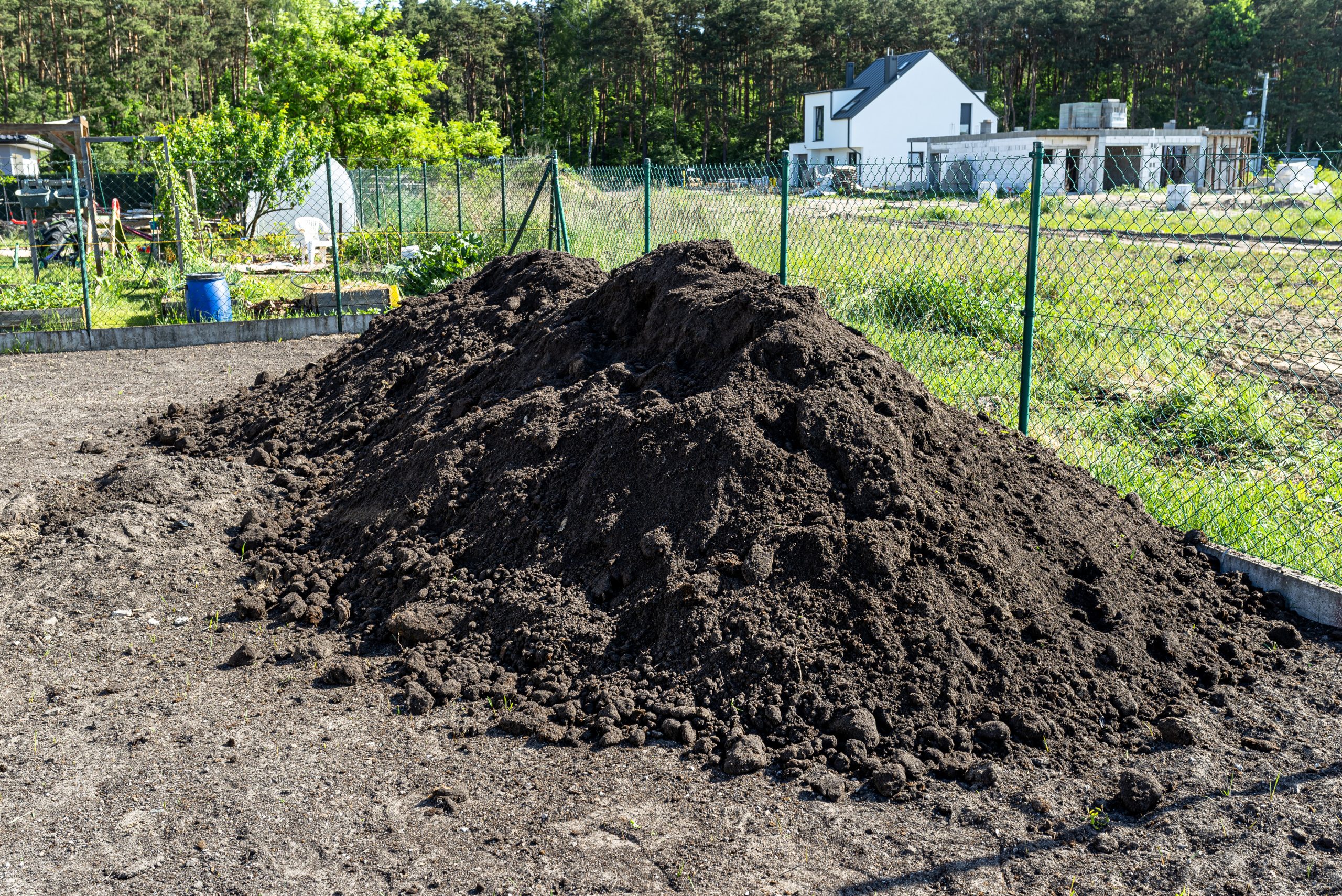
The finished compost produced by these programs is typically distributed back to residents free of charge or sold at a low cost, used in city parks and landscaping projects, or sold to agricultural operations. The U.S. Environmental Protection Agency tracks municipal composting programs and documents their environmental benefits as part of its comprehensive waste reduction efforts. According to the EPA’s sustainable food management resources, food scraps and yard waste make up a large share of what Americans discard, and composting is one of the most effective pathways for keeping that material out of landfills where it would otherwise produce methane.
What Is Accepted in Most Municipal Compost Programs
Accepted materials vary by program based on the processing technology used at the receiving facility. However, most municipal programs accept the following core categories:
Commonly Accepted Organics
- Fruit and vegetable scraps (peels, cores, seeds, pits)
- Coffee grounds and paper filters
- Tea bags (if the bag itself is paper or compostable material — many plastic-mesh tea bags are not accepted)
- Eggshells
- Bread, pasta, rice, and other grains
- Dairy products — in many programs (check local guidelines)
- Meat and fish scraps — in many programs that use in-vessel composting or anaerobic digestion (not all accept these)
- Yard waste: grass clippings, leaves, small branches, plant trimmings
- Paper napkins, paper plates, paper bags (uncoated)
Commonly Not Accepted
- Plastic bags — including bags labeled “compostable” unless the program specifically accepts certified compostable packaging. Many certified compostable plastics do not break down properly in standard composting timelines and contaminate finished compost.
- Pet waste — most programs do not accept dog or cat feces due to pathogen concerns
- Human waste or diapers (with some exceptions for specialized facilities)
- Treated wood or sawdust from pressure-treated lumber
- Cooking oils in large quantities (small residual amounts on food scraps are generally fine)
- Compostable serviceware unless your specific program explicitly states it accepts BPI-certified compostable products
Always verify what your specific program accepts. Contamination — placing non-accepted materials in the organics bin — is the most significant problem in municipal composting programs and can result in loads being rejected and sent to landfill anyway. Your program’s website, app, or printed guide is the authoritative source.
How to Find Out What Your Municipality Offers
Municipal composting programs are operated at the local level, and program availability, bin distribution, accepted materials lists, and collection schedules vary widely even between adjacent cities. To find out what is available where you live:
- Search your city or county’s website for terms like “compost,” “organics,” “food scraps,” or “green waste.” Most municipalities with active programs have a dedicated page for their organics collection service.
- Check your waste hauler’s website. In many areas, waste collection is handled by a contracted private hauler. The hauler’s website may list services by zip code or municipality.
- Use the EPA’s food recovery locator. The EPA maintains a tool for locating composting facilities and food recovery programs by state and zip code at its sustainable food management page.
- Contact your municipality’s public works or sanitation department directly if the website does not provide clear information. Many programs are newer and may not yet have prominent web presence.
How to Participate Effectively Without the Mess
One of the most common reasons households do not use curbside organics collection programs — even when they are available — is concern about odor, fruit flies, and general messiness of storing food scraps before pickup. These are manageable with the right practices:
Managing Odor and Pests
- Use a small sealed countertop container (1-gallon or smaller) with a tight-fitting lid for collecting food scraps in the kitchen between transfers to the outdoor bin. Many programs provide these; they are also widely available for purchase.
- Line the kitchen container with a certified compostable liner bag if your program accepts them, or simply with a small paper bag. This makes transfers cleaner.
- Transfer to the outdoor bin frequently. In warm weather, transferring every day or every other day significantly reduces odor and fruit fly development. In winter, weekly transfers are fine.
- Freeze meat and fish scraps if your program accepts them. Storing these items frozen and transferring them to the outdoor bin on collection day eliminates the odor issue associated with these materials.
- Rinse the kitchen container weekly. A quick rinse with hot water and dish soap keeps it clean and odor-free.
- Layer yard waste in the outdoor bin over food scraps. Covering food scraps with grass clippings or dry leaves helps suppress odor and absorbs moisture.
Avoiding Contamination
- Never put plastic bags in the organics bin — even bags labeled compostable. Unless your program explicitly accepts certified compostable bags, use paper or loose transfer.
- Remove rubber bands, twist ties, and stickers from produce before adding scraps to the bin.
- Keep liquids out of the bin — drain liquids from foods before adding.
- When in doubt, leave it out. Contamination is a greater operational problem for municipal programs than a missed item or two.
What Happens to Your Food Scraps After Collection
Most municipal programs send collected organics to one of three types of facilities:
- Open windrow composting: Organic material is piled in long rows outdoors and turned periodically over weeks or months to produce finished compost. This is the most common large-scale composting method. It does not accept meat or dairy from most facilities due to temperature management requirements.
- In-vessel or enclosed composting: Materials are processed in enclosed systems with controlled temperature, aeration, and moisture. These systems handle a wider range of materials including meat and dairy and can process materials more quickly.
- Anaerobic digestion: Instead of aerobic decomposition, organics are processed in sealed tanks that generate biogas (methane), which can be used as a renewable energy source. The remaining digestate is often further processed into compost or used as a soil amendment. This is an increasingly common technology for municipal food waste programs.
Advocacy: If Your Municipality Does Not Yet Offer Compost Pickup
Many municipalities — particularly in rural areas and smaller cities — do not yet offer curbside organics collection. If you want to advocate for one, practical starting points include:
- Contacting your city council representative or county commissioner to express interest and ask about existing plans
- Connecting with existing sustainability committees or environmental advisory boards in your municipality
- Documenting food scraps volume from your household to demonstrate the scale of divertable waste
- Identifying existing pilot programs in nearby communities as reference models
In the meantime, community drop-off composting sites and backyard composting (covered in a separate guide on this site for beginners interested in that method) provide interim options for diverting food scraps from landfill.
Key Summary
- Municipal compost pickup is a city- or county-run service that collects food scraps and yard waste for composting — distinct from backyard composting or green waste collection
- Accepted materials vary by program — always verify the specific list for your municipality
- Contamination is the biggest problem in organics programs — when in doubt, leave it out
- Managing odor is straightforward with a sealed countertop bin, frequent transfers, and frozen storage of meat scraps
- Finished compost from municipal programs is typically returned to the community or used in public landscaping
- If your municipality does not offer the service, contacting local representatives and connecting with sustainability organizations are the most effective advocacy paths
 blogged